Please support democracy

Without your support, Democracy Watch can't win key changes to stop governments and big businesses from abusing their power and hurting you and your family. Please click here to support democracy now

Federal Court of Appeal suggests former Ethics Commissioner was wrong to allow Finance Minister Morneau to secretly own $30 million in shares in his family’s company

Court says case raised “a genuine issue of public importance” but, because Morneau sold his shares, the court concluded it can’t issue a full ruling on the issue

Court suggests DWatch could file another court case if Ethics Commissioner has let another minister or official own shares secretly – DWatch has asked Commissioner to disclose if this is true, and is considering appealing the case to the Supreme Court

House Ethics Committee reviewing federal government ethics law this fall – DWatch calls on Committee to close loopholes that allow ministers to profit from their decisions, and to ban so-called “blind” trusts, as the Parker Commission recommended in 1987

FOR IMMEDIATE RELEASE:
Monday, October 29, 2018

OTTAWA – Today, Democracy Watch released details of the Federal Court of Appeal (FCA) ruling it received last Friday in its case reviewing former Ethics Commissioner Mary Dawson’s February 2016 decision to allow Finance Minister Bill Morneau to continue to secretly own $30 million of shares in Morneau Shepell Inc., his family’s company, after he became minister.

Ethics Commissioner Dawson decided that because Minister Morneau had set up an investment scheme so that he owned his shares in Morneau Shepell Inc. through two companies, one in Ontario and one in Alberta, he therefore owned the shares indirectly and so was not required by the rules in the Conflict of Interest Act to divest them by selling them or putting them in a so-called blind trust.

The Act requires any “controlled assets” to be “divested” by being sold or placed in a blind trust (sections 17, 20 and 27(1)), with a public statement issued detailing any divestment (subsection 26(2)(a)). The Act also contains an “anti-avoidance” measure that prohibits Cabinet ministers and senior government officials from taking any action to circumvent the requirements of the Act (section 18).

The FCA’s ruling says whether Ethics Commissioner Dawson’s decision was correct “is a genuine issue of public importance” (para. 16). The ruling then states that the Conflict of Interest Act’s rules concerning divestment of assets like the shares Minister Morneau owned “is open to a broader interpretation” than Ethics Commissioner Dawson used that “could in effect make the divestment requirement in section 17 applicable to assets that are indirectly held” like Morneau’s shares were held (para. 17).

“The court’s ruling strongly suggests that Ethics Commissioner Dawson was wrong to allow Finance Minister Morneau to continue to secretly own $30 million in shares in his family’s company after he became minister,” said Duff Conacher, Co-founder of Democracy Watch and Adjunct Professor of Law and Politics at the University of Ottawa. “Hopefully the ruling will be enough to stop the Ethics Commissioner from ever allowing another Cabinet minister or top government official to own shares or have investments in any company through an investment scheme like the one Minister Morneau set up.”

The FCA’s ruling says that it didn’t issue a full ruling because Minister Morneau sold his shares making the situation moot (para. 12), a conclusion Democracy Watch argued against. The court suggests Democracy Watch could file another court case challenging an Ethics Commissioner ruling about another Cabinet minister or senior government official who has an investment scheme like Morneau that has been secretly approved by the Ethics Commissioner, and who has not yet sold his/her shares (para. 18).

Democracy Watch finds this part of the ruling to be quite strange, given that the FCA acknowledges that the Ethics Commissioner’s decisions like the one made about Morneau’s shares are “shielded from public view by confidentiality” (para. 11). As a result, how would Democracy Watch or anyone ever know that the Ethics Commissioner had approved another minister or official owning shares through a secret investment scheme like Minister Morneau had?

Democracy Watch is considering appealing the FCA’s ruling to the Supreme Court of Canada because of this strange, deeply flawed part of the ruling.

In light of the FCA’s ruling, Democracy Watch has sent a letter to new Ethics Commissioner Mario Dion asking him to disclose if there are any other Cabinet ministers or government officials covered by the Act who own shares or have investments directly or indirectly in any company and who have not placed those shares into a so-called blind trust.

While it is public that Prime Minister Trudeau owns shares in many companies, as do Ministers Bennett, Brison, Champagne, MacAulay, and Senator Harder and dozens of top government officials – all of them have put their shares into a so-called blind trust that has been publicly declared. It is a secret whether any other ministers or officials own shares that are not in a so-called blind trust – only the Ethics Commissioner and the minister(s) and/or official(s) know.

“Democracy Watch calls on Ethics Commissioner Dion to disclose immediately if he is allowing any Cabinet ministers or government officials to own shares or have investments in any company directly or indirectly without putting them into a publicly declared blind trust,” said Conacher.

If there are any who own shares or investments, Democracy Watch expects that they will sell their shares or investments right away (just like Minister Morneau did) before Democracy Watch can file a court case challenging the Ethics Commissioner’s decision to allow them to own the shares. Again, that is why it is so strange that the FCA’s ruling suggests that Democracy Watch could bring another “live” case to court.

Because of these flaws and loopholes in the Conflict of Interest Act, Democracy Watch called on the House Ethics Committee when it reviews the Act this fall to recommend many changes to strengthen rules, enforcement and penalties. For example, blind trusts are a sham and should be banned, as the Parker Commission recommended in 1987, because the Cabinet minister or government official knows what assets they place in a blind trust, and they choose the trustee and are allowed to give the trustee general instructions (under subsections 27(4) and (5) of the Act).

As well, the biggest loophole in the Act is that Cabinet ministers and senior government officials are allowed to take part in debates, discussions, votes and other decision-making processes even when they will profit from the decision, as long as the decision applies generally (the loophole is in the Act’s subsection 2(1) definition of “private interest”). About 99% of Cabinet minister and top official decisions apply generally, so the Act does not apply to 99% of the decisions ministers and top officials make.

Cabinet ministers and officials should be required to remove themselves from every decision-making process when they have even an appearance of a conflict of interest, as the Parker Commission also recommended in 1987.

“So-called blind trusts don’t prevent conflicts of interest because the Cabinet minister or government official knows what they have put in the trust, and so the House Committee must recommend that blind trusts be banned and that ministers and officials sell their shares and other investments, as the Parker Commission recommended in 1987,” said Conacher. “To prevent conflicts of interest if a minister or official can’t or doesn’t want to sell their shares or investments because they are part of a family company, the House Committee must recommend that the minister or official be required not to participate in any way in any decision-making process that affects the company directly or indirectly, as the Parker Commission also recommended in 1987.”

– 30 –

FOR MORE INFORMATION, CONTACT:
Duff Conacher, Co-founder of Democracy Watch
Tel: (613) 241-5179 Cell: 416-546-3443
[email protected]

Democracy Watch’s Government Ethics Campaign

Court says case raised “a genuine issue of public importance” but, because Morneau sold his shares, the court concluded it can’t issue a full ruling on the issue

Court suggests DWatch could file another court case if Ethics Commissioner has let another minister or official own shares secretly – DWatch has asked Commissioner to disclose if this is true, and is considering appealing the case to the Supreme Court

House Ethics Committee reviewing federal government ethics law this fall – DWatch calls on Committee to close loopholes that allow ministers to profit from their decisions, and to ban so-called “blind” trusts, as the Parker Commission recommended in 1987

FOR IMMEDIATE RELEASE:
Monday, October 29, 2018

OTTAWA – Today, Democracy Watch released details of the Federal Court of Appeal (FCA) ruling it received last Friday in its case reviewing former Ethics Commissioner Mary Dawson’s February 2016 decision to allow Finance Minister Bill Morneau to continue to secretly own $30 million of shares in Morneau Shepell Inc., his family’s company, after he became minister.

Ethics Commissioner Dawson decided that because Minister Morneau had set up an investment scheme so that he owned his shares in Morneau Shepell Inc. through two companies, one in Ontario and one in Alberta, he therefore owned the shares indirectly and so was not required by the rules in the Conflict of Interest Act to divest them by selling them or putting them in a so-called blind trust.

The Act requires any “controlled assets” to be “divested” by being sold or placed in a blind trust (sections 17, 20 and 27(1)), with a public statement issued detailing any divestment (subsection 26(2)(a)). The Act also contains an “anti-avoidance” measure that prohibits Cabinet ministers and senior government officials from taking any action to circumvent the requirements of the Act (section 18).

The FCA’s ruling says whether Ethics Commissioner Dawson’s decision was correct “is a genuine issue of public importance” (para. 16). The ruling then states that the Conflict of Interest Act’s rules concerning divestment of assets like the shares Minister Morneau owned “is open to a broader interpretation” than Ethics Commissioner Dawson used that “could in effect make the divestment requirement in section 17 applicable to assets that are indirectly held” like Morneau’s shares were held (para. 17).

“The court’s ruling strongly suggests that Ethics Commissioner Dawson was wrong to allow Finance Minister Morneau to continue to secretly own $30 million in shares in his family’s company after he became minister,” said Duff Conacher, Co-founder of Democracy Watch and Adjunct Professor of Law and Politics at the University of Ottawa. “Hopefully the ruling will be enough to stop the Ethics Commissioner from ever allowing another Cabinet minister or top government official to own shares or have investments in any company through an investment scheme like the one Minister Morneau set up.”

The FCA’s ruling says that it didn’t issue a full ruling because Minister Morneau sold his shares making the situation moot (para. 12), a conclusion Democracy Watch argued against. The court suggests Democracy Watch could file another court case challenging an Ethics Commissioner ruling about another Cabinet minister or senior government official who has an investment scheme like Morneau that has been secretly approved by the Ethics Commissioner, and who has not yet sold his/her shares (para. 18).

Democracy Watch finds this part of the ruling to be quite strange, given that the FCA acknowledges that the Ethics Commissioner’s decisions like the one made about Morneau’s shares are “shielded from public view by confidentiality” (para. 11). As a result, how would Democracy Watch or anyone ever know that the Ethics Commissioner had approved another minister or official owning shares through a secret investment scheme like Minister Morneau had?

Democracy Watch is considering appealing the FCA’s ruling to the Supreme Court of Canada because of this strange, deeply flawed part of the ruling.

In light of the FCA’s ruling, Democracy Watch has sent a letter to new Ethics Commissioner Mario Dion asking him to disclose if there are any other Cabinet ministers or government officials covered by the Act who own shares or have investments directly or indirectly in any company and who have not placed those shares into a so-called blind trust.

While it is public that Prime Minister Trudeau owns shares in many companies, as do Ministers Bennett, Brison, Champagne, MacAulay, and Senator Harder and dozens of top government officials – all of them have put their shares into a so-called blind trust that has been publicly declared. It is a secret whether any other ministers or officials own shares that are not in a so-called blind trust – only the Ethics Commissioner and the minister(s) and/or official(s) know.

“Democracy Watch calls on Ethics Commissioner Dion to disclose immediately if he is allowing any Cabinet ministers or government officials to own shares or have investments in any company directly or indirectly without putting them into a publicly declared blind trust,” said Conacher.

If there are any who own shares or investments, Democracy Watch expects that they will sell their shares or investments right away (just like Minister Morneau did) before Democracy Watch can file a court case challenging the Ethics Commissioner’s decision to allow them to own the shares. Again, that is why it is so strange that the FCA’s ruling suggests that Democracy Watch could bring another “live” case to court.

Because of these flaws and loopholes in the Conflict of Interest Act, Democracy Watch called on the House Ethics Committee when it reviews the Act this fall to recommend many changes to strengthen rules, enforcement and penalties. For example, blind trusts are a sham and should be banned, as the Parker Commission recommended in 1987, because the Cabinet minister or government official knows what assets they place in a blind trust, and they choose the trustee and are allowed to give the trustee general instructions (under subsections 27(4) and (5) of the Act).

As well, the biggest loophole in the Act is that Cabinet ministers and senior government officials are allowed to take part in debates, discussions, votes and other decision-making processes even when they will profit from the decision, as long as the decision applies generally (the loophole is in the Act’s subsection 2(1) definition of “private interest”). About 99% of Cabinet minister and top official decisions apply generally, so the Act does not apply to 99% of the decisions ministers and top officials make.

Cabinet ministers and officials should be required to remove themselves from every decision-making process when they have even an appearance of a conflict of interest, as the Parker Commission also recommended in 1987.

“So-called blind trusts don’t prevent conflicts of interest because the Cabinet minister or government official knows what they have put in the trust, and so the House Committee must recommend that blind trusts be banned and that ministers and officials sell their shares and other investments, as the Parker Commission recommended in 1987,” said Conacher. “To prevent conflicts of interest if a minister or official can’t or doesn’t want to sell their shares or investments because they are part of a family company, the House Committee must recommend that the minister or official be required not to participate in any way in any decision-making process that affects the company directly or indirectly, as the Parker Commission also recommended in 1987.”

– 30 –

FOR MORE INFORMATION, CONTACT:
Duff Conacher, Co-founder of Democracy Watch
Tel: (613) 241-5179 Cell: 416-546-3443
[email protected]

Democracy Watch’s Government Ethics Campaign

Groups call on CRTC to help create consumer-run telecom watchdog group using low-cost innovative method that has worked in U.S.

Changing the rules and enforcement powers won’t stop gouging and abuse by telecom companies – empowering consumer with their own watchdog group will

CRTC can work with federal government to create group – telecom companies would be required to send notices to customers inviting them to join group

FOR IMMEDIATE RELEASE:
Tuesday, October 23, 2018

OTTAWA – Today, as the CRTC holds its week-long hearings and hears hundreds of stories about abusive sales practices and gouging by Canada’s large telecommunications companies, Democracy Watch and more than 30 other citizen and consumer groups called on the CRTC to work with the federal government to create a broad-based, well-resourced, consumer-run Telecom Consumer Organization (TCO) using an innovative, low-cost, effective method that has worked in the U.S. Democracy Watch is testifying at the CRTC hearings today at about 3 pm – to listen to the hearings, click here.

The TCO could easily be created by the CRTC and the federal government at no cost, and no cost to telecom companies. Creating the TCO is the most low-cost, effective way to protect consumers and ensure companies serve everyone fairly and well at fair prices.

“Strengthening the consumer protection rules, enforcement and penalties will help a bit, but to really stop ongoing gouging and abuse by Canada’s big telecom companies the CRTC and the federal government need to create a national, consumer-run telecom watchdog group that can empower and provide free help to consumers with shopping around, complaining and suing to get good, fairly priced service from the companies,” said Duff Conacher, Co-founder of Democracy Watch and the Corporate Responsibility Coalition, which has 31 member groups from across Canada that all endorse the call for the creation of a TCO. “States in the U.S. have successfully used a low-cost, effective method to create consumer-run industry watchdog groups, and the CRTC and the federal government should use this method to create a telecom watchdog group for Canadians.”

“If the CRTC and the federal government don’t require telecom companies to send out email and other notices inviting their customers to join a national, consumer-run telecom industry watchdog group, they will make it clear they don’t really care about protecting consumers from gouging and abuse,” said Conacher. “Telecom consumers pay all the costs for telecom companies’ ads, lawyers, lobbyists and other advocacy efforts, and requiring the companies to help create a consumer-run telecom watchdog group is most simple, low-cost, effective thing to do to empower and educate consumers, and give them a place to call that will give them free, effective help when they are gouged or abused, and will help ensure telecom companies serve everyone fairly and well at fair prices.”

In addition to the more than 30 citizen groups in the Corporate Responsibility Coalition (see its submission to the CRTC here), the four groups in the ad hoc Fair Communications Sales Coalition (FCSC) are also testifying at today’s CRTC hearings and calling for the creation of the TCO. The FCSC is made up of the Public Interest Advocacy Centre (PIAC), ACORN Canada, the National Pensioners Federation, and the Canadian Association of Retired Persons (CARP). To see the FCSC’s submission calling for the creation of the TCO, click here and download the second document.

How would the TCO be created and what would it do?

The Telecom Consumer Organization (TCO) would be created by the federal government passing a law establishing the organization (at no cost, with an interim board appointed by the government) and requiring telecom companies to send out notices by email and mail to their customers. Sending out the emails would not cost anything, and the TCO would pay for the printing costs for the pamphlet the telecom companies would mail to customers who still receive bills and notices by mail.

The notices about the TCO would describe the group and invite customers to join, with a nominal annual membership fee of $30 average. Such groups have been created in some U.S. states to watch over state utilities, with usually about 5% of consumers joining. To see more details about the TCO, click here.

The TCO would be consumer-directed, with a board elected from among its members. If only 5% of the more than 20 million individual telecom customers in Canada joined, the group would have 1 million members and a $30 million annual budget.

The TCO would provide telecom customers across Canada with free help shopping around, filing complaints, free lawyers for lawsuits to stop gouging and abuse, and would represent telecom customers in all government policy-making and regulatory processes.

– 30 –

FOR MORE INFORMATION, CONTACT:
Duff Conacher, Co-founder of Democracy Watch
Tel: (613) 241-5179 Cell: 416-546-3443
[email protected]

Democracy Watch’s Questions and Answers about the Telecom Consumer Organization (TCO) and Democracy Watch’s Citizen Association Campaign

Changing the rules and enforcement powers won’t stop gouging and abuse by telecom companies – empowering consumer with their own watchdog group will

CRTC can work with federal government to create group – telecom companies would be required to send notices to customers inviting them to join group

FOR IMMEDIATE RELEASE:
Tuesday, October 23, 2018

OTTAWA – Today, as the CRTC holds its week-long hearings and hears hundreds of stories about abusive sales practices and gouging by Canada’s large telecommunications companies, Democracy Watch and more than 30 other citizen and consumer groups called on the CRTC to work with the federal government to create a broad-based, well-resourced, consumer-run Telecom Consumer Organization (TCO) using an innovative, low-cost, effective method that has worked in the U.S. Democracy Watch is testifying at the CRTC hearings today at about 3 pm – to listen to the hearings, click here.

The TCO could easily be created by the CRTC and the federal government at no cost, and no cost to telecom companies. Creating the TCO is the most low-cost, effective way to protect consumers and ensure companies serve everyone fairly and well at fair prices.

“Strengthening the consumer protection rules, enforcement and penalties will help a bit, but to really stop ongoing gouging and abuse by Canada’s big telecom companies the CRTC and the federal government need to create a national, consumer-run telecom watchdog group that can empower and provide free help to consumers with shopping around, complaining and suing to get good, fairly priced service from the companies,” said Duff Conacher, Co-founder of Democracy Watch and the Corporate Responsibility Coalition, which has 31 member groups from across Canada that all endorse the call for the creation of a TCO. “States in the U.S. have successfully used a low-cost, effective method to create consumer-run industry watchdog groups, and the CRTC and the federal government should use this method to create a telecom watchdog group for Canadians.”

“If the CRTC and the federal government don’t require telecom companies to send out email and other notices inviting their customers to join a national, consumer-run telecom industry watchdog group, they will make it clear they don’t really care about protecting consumers from gouging and abuse,” said Conacher. “Telecom consumers pay all the costs for telecom companies’ ads, lawyers, lobbyists and other advocacy efforts, and requiring the companies to help create a consumer-run telecom watchdog group is most simple, low-cost, effective thing to do to empower and educate consumers, and give them a place to call that will give them free, effective help when they are gouged or abused, and will help ensure telecom companies serve everyone fairly and well at fair prices.”

In addition to the more than 30 citizen groups in the Corporate Responsibility Coalition (see its submission to the CRTC here), the four groups in the ad hoc Fair Communications Sales Coalition (FCSC) are also testifying at today’s CRTC hearings and calling for the creation of the TCO. The FCSC is made up of the Public Interest Advocacy Centre (PIAC), ACORN Canada, the National Pensioners Federation, and the Canadian Association of Retired Persons (CARP). To see the FCSC’s submission calling for the creation of the TCO, click here and download the second document.

How would the TCO be created and what would it do?

The Telecom Consumer Organization (TCO) would be created by the federal government passing a law establishing the organization (at no cost, with an interim board appointed by the government) and requiring telecom companies to send out notices by email and mail to their customers. Sending out the emails would not cost anything, and the TCO would pay for the printing costs for the pamphlet the telecom companies would mail to customers who still receive bills and notices by mail.

The notices about the TCO would describe the group and invite customers to join, with a nominal annual membership fee of $30 average. Such groups have been created in some U.S. states to watch over state utilities, with usually about 5% of consumers joining. To see more details about the TCO, click here.

The TCO would be consumer-directed, with a board elected from among its members. If only 5% of the more than 20 million individual telecom customers in Canada joined, the group would have 1 million members and a $30 million annual budget.

The TCO would provide telecom customers across Canada with free help shopping around, filing complaints, free lawyers for lawsuits to stop gouging and abuse, and would represent telecom customers in all government policy-making and regulatory processes.

– 30 –

FOR MORE INFORMATION, CONTACT:
Duff Conacher, Co-founder of Democracy Watch
Tel: (613) 241-5179 Cell: 416-546-3443
[email protected]

Democracy Watch’s Questions and Answers about the Telecom Consumer Organization (TCO) and Democracy Watch’s Citizen Association Campaign

Bill C-76 must be changed to strengthen rule prohibiting baiting voters with false promises during federal elections

Rule must be strengthened because Commissioner of Canada Elections negligently refused to enforce it to sanction PM Trudeau’s false electoral reform promise, continuing the Commissioner’s weak record that includes 3,000 secret rulings

Bill C-76 also makes more false claims about election candidates legal

And, as DWatch pointed out last week, Bill C-76 also increases the ability of wealthy interests to dominate election debates with ads, and doesn’t do enough to protect voters’ privacy or to stop secret, fake online election ads

FOR IMMEDIATE RELEASE:
Monday, October 22, 2018

OTTAWA – Today, as Bill C-76 heads back to the House of Commons from the House Procedure Affairs Committee, Democracy Watch called on MPs, among other key changes to the bill, to strengthen the rule in the Canada Elections Act prohibiting parties and candidates from baiting voters with false election promises, and not to narrow the scope of the rule in the law that prohibits false claims about candidates.

The first rule (subsection 482(b)) clearly prohibits false election promises by parties and candidates but it needs to be strengthened because the Commissioner of Canada Elections negligently refuses to enforce it. The Commissioner responded to Democracy Watch’s complaint about Liberal Party leader Justin Trudeau baiting voters with his false promise of electoral reform during the 2015 election with a decision refusing to enforce the rule.

This is not the first time that the Commissioner of Canada Elections has negligently failed to enforce the law. Elections Canada has kept more than 3,000 rulings on election complaints secret since 1997 because they may make the Commissioner look bad.

“Bill C-76 must be changed to strengthen the rule in Canada’s election law prohibiting parties and candidates from violating voters’ fundamental rights by baiting them with false promises because the Commissioner of Canada Elections refuses to enforce the rule,” said Duff Conacher, Co-founder of Democracy Watch. “This is not the first time the Commissioner has failed to effectively enforce the federal elections law as the Commissioner has an overall weak record including many secret rulings.”

As well, Bill C-76 narrows the scope of the rule that prohibits false claims about candidates (section 91 of the Canada Elections Act). The current rule prohibits any false claim “in relation to the personal character or conduct of a candidate or prospective candidate.” Bill C-76 narrows the rule so it only covers false claims that these people (and party leaders and officials) violated the law or have been charged or investigated for a violation, and false claims about the citizenship, place of birth, education, professional qualifications or membership in a group or association of these people.

“To ensure that candidates’ campaigns can’t be undermined by false accusations, Bill C-76 must be changed to maintain the current broad rule in Canada’s election law that prohibits essentially all false claims,” said Conacher.

Democracy Watch also called for Bill C-76 to be changed to make the Chief Electoral Officer, Commissioner of Canada Elections, and Director of Public Prosecutions actually independent from the federal Cabinet. Currently, all three are chosen through processes that are completely controlled by the Cabinet (as are many other federal democratic good government watchdogs), which taints them all with ruling party partisanship.

As well, Democracy Watch called for changes to the bill to require Elections Canada, the Commissioner, and the Director of Public Prosecutions to all issue a public ruling on every complaint filed with them or situation reviewed by them relating to any matter covered by the Canada Elections Act, to ensure they are always properly enforcing the law. This would require changing section 510.1 of the Canada Elections Act, sections 16.3 and 16.31 of the Access to Information Act, and subsection 16(1.1) of the Director of Public Prosecutions Act.

Democracy Watch is raising these concerns about Bill C-76 following up on its calls last week that the House Procedure Affairs Committee make other changes to the bill:

  1. to actually stop secret, false online election ads and to extend the federal privacy law to cover political parties (the Liberals voted against an amendment to extend the privacy law to cover parties), and;
  2. to decrease donation limits and not to increase the spending limits for third parties (and to ban Canadian-based, foreign-owned businesses from doing any election advertising).

Democracy Watch testified at the Committee’s hearings on Bill C-76 in June and highlighted all these serious flaws in the bill, along with 20 or so other changes needed to ensure fair, democratic elections that Democracy Watch submitted to Special Committee on Electoral Reform and to the government in fall 2016. While Bill C-76 reduces some key barriers to voting, it does little else to address key undemocratic election problems.

“If federal politicians actually want to protect the integrity of Canadian elections, Bill C-76 must also be changed to effectively stop secret, false online election ads, protect voter privacy, lower donation limits, not increase interest group ad spending limits, strengthen the independence, effectiveness and accountability of enforcement agencies, increase penalties for violations, and to add many other key fair, democratic election reforms,” said Conacher.

– 30 –

FOR MORE INFORMATION, CONTACT:
Duff Conacher, Co-founder of Democracy Watch
Tel: (613) 241-5179 Cell: 416-546-3443
[email protected]

Democracy Watch’s Honesty in Politics Campaign, Money in Politics Campaign, Stop Fake Online Election Ads Campaign, and Democratic Voting Systems Campaign

Rule must be strengthened because Commissioner of Canada Elections negligently refused to enforce it to sanction PM Trudeau’s false electoral reform promise, continuing the Commissioner’s weak record that includes 3,000 secret rulings

Bill C-76 also makes more false claims about election candidates legal

And, as DWatch pointed out last week, Bill C-76 also increases the ability of wealthy interests to dominate election debates with ads, and doesn’t do enough to protect voters’ privacy or to stop secret, fake online election ads

FOR IMMEDIATE RELEASE:
Monday, October 22, 2018

OTTAWA – Today, as Bill C-76 heads back to the House of Commons from the House Procedure Affairs Committee, Democracy Watch called on MPs, among other key changes to the bill, to strengthen the rule in the Canada Elections Act prohibiting parties and candidates from baiting voters with false election promises, and not to narrow the scope of the rule in the law that prohibits false claims about candidates.

The first rule (subsection 482(b)) clearly prohibits false election promises by parties and candidates but it needs to be strengthened because the Commissioner of Canada Elections negligently refuses to enforce it. The Commissioner responded to Democracy Watch’s complaint about Liberal Party leader Justin Trudeau baiting voters with his false promise of electoral reform during the 2015 election with a decision refusing to enforce the rule.

This is not the first time that the Commissioner of Canada Elections has negligently failed to enforce the law. Elections Canada has kept more than 3,000 rulings on election complaints secret since 1997 because they may make the Commissioner look bad.

“Bill C-76 must be changed to strengthen the rule in Canada’s election law prohibiting parties and candidates from violating voters’ fundamental rights by baiting them with false promises because the Commissioner of Canada Elections refuses to enforce the rule,” said Duff Conacher, Co-founder of Democracy Watch. “This is not the first time the Commissioner has failed to effectively enforce the federal elections law as the Commissioner has an overall weak record including many secret rulings.”

As well, Bill C-76 narrows the scope of the rule that prohibits false claims about candidates (section 91 of the Canada Elections Act). The current rule prohibits any false claim “in relation to the personal character or conduct of a candidate or prospective candidate.” Bill C-76 narrows the rule so it only covers false claims that these people (and party leaders and officials) violated the law or have been charged or investigated for a violation, and false claims about the citizenship, place of birth, education, professional qualifications or membership in a group or association of these people.

“To ensure that candidates’ campaigns can’t be undermined by false accusations, Bill C-76 must be changed to maintain the current broad rule in Canada’s election law that prohibits essentially all false claims,” said Conacher.

Democracy Watch also called for Bill C-76 to be changed to make the Chief Electoral Officer, Commissioner of Canada Elections, and Director of Public Prosecutions actually independent from the federal Cabinet. Currently, all three are chosen through processes that are completely controlled by the Cabinet (as are many other federal democratic good government watchdogs), which taints them all with ruling party partisanship.

As well, Democracy Watch called for changes to the bill to require Elections Canada, the Commissioner, and the Director of Public Prosecutions to all issue a public ruling on every complaint filed with them or situation reviewed by them relating to any matter covered by the Canada Elections Act, to ensure they are always properly enforcing the law. This would require changing section 510.1 of the Canada Elections Act, sections 16.3 and 16.31 of the Access to Information Act, and subsection 16(1.1) of the Director of Public Prosecutions Act.

Democracy Watch is raising these concerns about Bill C-76 following up on its calls last week that the House Procedure Affairs Committee make other changes to the bill:

  1. to actually stop secret, false online election ads and to extend the federal privacy law to cover political parties (the Liberals voted against an amendment to extend the privacy law to cover parties), and;
  2. to decrease donation limits and not to increase the spending limits for third parties (and to ban Canadian-based, foreign-owned businesses from doing any election advertising).

Democracy Watch testified at the Committee’s hearings on Bill C-76 in June and highlighted all these serious flaws in the bill, along with 20 or so other changes needed to ensure fair, democratic elections that Democracy Watch submitted to Special Committee on Electoral Reform and to the government in fall 2016. While Bill C-76 reduces some key barriers to voting, it does little else to address key undemocratic election problems.

“If federal politicians actually want to protect the integrity of Canadian elections, Bill C-76 must also be changed to effectively stop secret, false online election ads, protect voter privacy, lower donation limits, not increase interest group ad spending limits, strengthen the independence, effectiveness and accountability of enforcement agencies, increase penalties for violations, and to add many other key fair, democratic election reforms,” said Conacher.

– 30 –

FOR MORE INFORMATION, CONTACT:
Duff Conacher, Co-founder of Democracy Watch
Tel: (613) 241-5179 Cell: 416-546-3443
[email protected]

Democracy Watch’s Honesty in Politics Campaign, Money in Politics Campaign, Stop Fake Online Election Ads Campaign, and Democratic Voting Systems Campaign

More than 85,000 call for changes to Bill C-76 to stop the unethical influence of big money in federal politics

Bill C-76 makes bad move of more than doubling interest group spending limit during elections, doesn’t lower undemocratically high limits on donations to parties and candidates

Bill should also be changed to prohibit Canadian-based subsidiaries of foreign-owned businesses from spending money on pre-election and election advertising because they are owned by foreigners

FOR IMMEDIATE RELEASE:
Wednesday, October 17, 2018

OTTAWA – Today, as the House of Commons Procedure and House Affairs Committee continues its review of Bill C-76, Democracy Watch called on the Committee to decrease donation limits and not to increase the spending limits for third parties, following up on its call last week that the Committee make changes to extend the federal privacy law to cover political parties, and to actually stop secret, false online election ads.

Democracy Watch testified at the hearings on Bill C-7 in June and pointed to several weaknesses in the bill. While Bill C-76 reduces some key barriers to voting, it does little else to ensure fair, democratic elections.

Bill C-76, like the recently enacted Bill C-50 that comes into effect on December 18th, is a charade that does nothing to stop the unethical influence of big money in Canadian politics. The Bill doesn’t change the annual individual donation limits of $1,575 to each party and another $1,575 to the riding associations of each party (both increased each year by $25) nor does it decrease the $5,000 amount an election candidate can give to their own campaign or the $25,000 a party leadership candidate can give to their campaign.

These high donation limits are much more than an average adult Canadian can afford – they favour wealthy donors and candidates and facilitate funneling of donations from businesses and unions through their executives (which has occurred in every jurisdiction in Canada with such high donation limits). Democracy Watch recently filed complaints with the federal Ethics Commissioner and Lobbying Commissioner about Liberal Party fundraising events involving ministers and lobbyists who lobby them (as revealed by the Globe and Mail).

As well, Bill C-76 more than doubles the spending limits for third party interest groups and individuals during election campaigns (from approximately $200,000 up to $500,000). The Liberals claim this increase is needed because the spending limit is being extended to cover election surveys and “partisan activities” such as door-knocking, phone calls and rallies but only citizen groups do those kinds of activities (businesses usually only spending money on ads). As a result, the limit should be increased only for citizen groups as the increase in the limit will more than double the amount of advertising businesses can do during an election campaign period.

“The only way to stop big money in politics is to stop big donations and Bill C-76 does nothing to lower the federal donation limits that are much higher than an average Canadian can afford, and that allow lobbyists to buy influence with politicians and parties,” said Duff Conacher, Co-founder of Democracy Watch. “Bill C-76 also more than doubles the ad spending limits for interest groups and lobbyists during elections which will increase the power of wealthy interests to dominate election campaign debates with massive advertising campaigns. Canadian-based subsidiaries of foreign-owned businesses should especially be prohibited from advertising during Canadian elections because they are owned by foreigners.”

Bill C-76 also sets meaninglessly high limits of $1.5 million for party ad spending and $1 million for third-party (interest group) ad spending during the 60-75 days before the election campaign period begins. The limits are meaningless because it is highly unlikely that any party or third-party will spend anywhere near those amounts during July and August – the only times the limits will apply (as the pre-campaign limits only apply when the election is held on the fixed election date of the third Monday in October). As well, the pre-campaign limit only applies to “partisan advertising” that promotes or opposes a party or a candidate, not to issue-based advertising.

The key changes that must be made to democratize the federal political finance system are as follows:

  1. limit annual combined total donations of money, property and services by individuals to $100-200 to each party (Quebec’s limit is $100), and establish the same limit on candidates donating to their own campaign, with all donations routed through the election watchdog agency (as in Quebec);
  2. prohibit loans to political parties, riding associations and candidates, except from a public fund (with loans limited to the average annual amount of donations received during the previous two years);
  3. strictly limit spending leading up to, and during election campaigns by parties, nomination race and election candidates, third party interest groups, and also candidates in party leadership races, and prohibit Canadian-based subsidiaries of foreign-owned businesses from spending money on election-related advertising;
  4. require disclosure of all donations and gifts of money, property, services and volunteer labour given to any party, riding association, politician, nomination race, election or party leadership candidate, including the identity of the donor’s employer, and board and executive affiliations (and the identity of anyone who assists with any fundraising or fundraising event);
  5. give annual public funding for parties based on each vote received during the last election (no more than $1 per vote, with a portion required to be shared with riding associations);
  6. give annual public funding matching up to $1 million that each political party raises (Quebec matches up to $200,000);
  7. give public funding matching up to $25,000 that each nomination race and election candidate (including independent candidate) raises (similar to Quebec’s matching funding system), and public funding matching up to $200,000 that each party leadership campaign candidate raises, and;
  8. require election, donation and ethics watchdogs to conduct annual random audits to ensure all the rules are being followed by everyone;
  9. Elections Canada, or the Auditor General, must be empowered to review all government advertising and to stop or change any ad that is partisan or misleading;
  10. all penalties for violating donation and spending rules must be increased to minimum $100,000 fine and a multi-year jail term, and loss of any severance payment, and a partial clawback of any pension payments;
  11. Elections Canada and the Commissioner of Canada Elections must be required to disclose the rulings they make on all complaints they receive as soon as they make the ruling, and to disclose the rulings they make on all investigations they initiate themselves.

– 30 –

FOR MORE INFORMATION, CONTACT:
Duff Conacher, Co-founder of Democracy Watch
Tel: (613) 241-5179 Cell: 416-546-3443
[email protected]

Democracy Watch’s Money in Politics Campaign

Bill C-76 makes bad move of more than doubling interest group spending limit during elections, doesn’t lower undemocratically high limits on donations to parties and candidates

Bill should also be changed to prohibit Canadian-based subsidiaries of foreign-owned businesses from spending money on pre-election and election advertising because they are owned by foreigners

FOR IMMEDIATE RELEASE:
Wednesday, October 17, 2018

OTTAWA – Today, as the House of Commons Procedure and House Affairs Committee continues its review of Bill C-76, Democracy Watch called on the Committee to decrease donation limits and not to increase the spending limits for third parties, following up on its call last week that the Committee make changes to extend the federal privacy law to cover political parties, and to actually stop secret, false online election ads.

Democracy Watch testified at the hearings on Bill C-7 in June and pointed to several weaknesses in the bill. While Bill C-76 reduces some key barriers to voting, it does little else to ensure fair, democratic elections.

Bill C-76, like the recently enacted Bill C-50 that comes into effect on December 18th, is a charade that does nothing to stop the unethical influence of big money in Canadian politics. The Bill doesn’t change the annual individual donation limits of $1,575 to each party and another $1,575 to the riding associations of each party (both increased each year by $25) nor does it decrease the $5,000 amount an election candidate can give to their own campaign or the $25,000 a party leadership candidate can give to their campaign.

These high donation limits are much more than an average adult Canadian can afford – they favour wealthy donors and candidates and facilitate funneling of donations from businesses and unions through their executives (which has occurred in every jurisdiction in Canada with such high donation limits). Democracy Watch recently filed complaints with the federal Ethics Commissioner and Lobbying Commissioner about Liberal Party fundraising events involving ministers and lobbyists who lobby them (as revealed by the Globe and Mail).

As well, Bill C-76 more than doubles the spending limits for third party interest groups and individuals during election campaigns (from approximately $200,000 up to $500,000). The Liberals claim this increase is needed because the spending limit is being extended to cover election surveys and “partisan activities” such as door-knocking, phone calls and rallies but only citizen groups do those kinds of activities (businesses usually only spending money on ads). As a result, the limit should be increased only for citizen groups as the increase in the limit will more than double the amount of advertising businesses can do during an election campaign period.

“The only way to stop big money in politics is to stop big donations and Bill C-76 does nothing to lower the federal donation limits that are much higher than an average Canadian can afford, and that allow lobbyists to buy influence with politicians and parties,” said Duff Conacher, Co-founder of Democracy Watch. “Bill C-76 also more than doubles the ad spending limits for interest groups and lobbyists during elections which will increase the power of wealthy interests to dominate election campaign debates with massive advertising campaigns. Canadian-based subsidiaries of foreign-owned businesses should especially be prohibited from advertising during Canadian elections because they are owned by foreigners.”

Bill C-76 also sets meaninglessly high limits of $1.5 million for party ad spending and $1 million for third-party (interest group) ad spending during the 60-75 days before the election campaign period begins. The limits are meaningless because it is highly unlikely that any party or third-party will spend anywhere near those amounts during July and August – the only times the limits will apply (as the pre-campaign limits only apply when the election is held on the fixed election date of the third Monday in October). As well, the pre-campaign limit only applies to “partisan advertising” that promotes or opposes a party or a candidate, not to issue-based advertising.

The key changes that must be made to democratize the federal political finance system are as follows:

  1. limit annual combined total donations of money, property and services by individuals to $100-200 to each party (Quebec’s limit is $100), and establish the same limit on candidates donating to their own campaign, with all donations routed through the election watchdog agency (as in Quebec);
  2. prohibit loans to political parties, riding associations and candidates, except from a public fund (with loans limited to the average annual amount of donations received during the previous two years);
  3. strictly limit spending leading up to, and during election campaigns by parties, nomination race and election candidates, third party interest groups, and also candidates in party leadership races, and prohibit Canadian-based subsidiaries of foreign-owned businesses from spending money on election-related advertising;
  4. require disclosure of all donations and gifts of money, property, services and volunteer labour given to any party, riding association, politician, nomination race, election or party leadership candidate, including the identity of the donor’s employer, and board and executive affiliations (and the identity of anyone who assists with any fundraising or fundraising event);
  5. give annual public funding for parties based on each vote received during the last election (no more than $1 per vote, with a portion required to be shared with riding associations);
  6. give annual public funding matching up to $1 million that each political party raises (Quebec matches up to $200,000);
  7. give public funding matching up to $25,000 that each nomination race and election candidate (including independent candidate) raises (similar to Quebec’s matching funding system), and public funding matching up to $200,000 that each party leadership campaign candidate raises, and;
  8. require election, donation and ethics watchdogs to conduct annual random audits to ensure all the rules are being followed by everyone;
  9. Elections Canada, or the Auditor General, must be empowered to review all government advertising and to stop or change any ad that is partisan or misleading;
  10. all penalties for violating donation and spending rules must be increased to minimum $100,000 fine and a multi-year jail term, and loss of any severance payment, and a partial clawback of any pension payments;
  11. Elections Canada and the Commissioner of Canada Elections must be required to disclose the rulings they make on all complaints they receive as soon as they make the ruling, and to disclose the rulings they make on all investigations they initiate themselves.

– 30 –

FOR MORE INFORMATION, CONTACT:
Duff Conacher, Co-founder of Democracy Watch
Tel: (613) 241-5179 Cell: 416-546-3443
[email protected]

Democracy Watch’s Money in Politics Campaign

More than 17,000 call on House Committee to strengthen Bill C-76 to stop secret, fake online election ads and invasions of privacy by political parties

Are Liberals protecting their own data mining and their social media company friends or will they make the public interest changes called for by experts, committees and Canadians?

Over the next week, Democracy Watch will highlight other key undemocratic changes made in Bill C-76 – the Trudeau Liberals must have been joking when they called it the “Election Modernization Act”

FOR IMMEDIATE RELEASE:
Thursday, October 11, 2018

OTTAWA – Today, as the House of Commons Procedure and House Affairs Committee continues its review of Bill C-76, Democracy Watch announced that more than 17,000 Canadians have either signed its online petition on Change.org or its letter-writing campaign calling for changes to stop secret, false online election ads or signed its online petition calling for political parties to be covered by the federal privacy law, and other key privacy protection changes.

Democracy Watch’s petitions were submitted to the House Committee, and it also testified at the hearings on Bill C-76 in June and pointed to several weaknesses in the bill that will do little to protect political parties from abusing Canadians’ personal information or to stop secret, false online election ads.

While Bill C-76 reduces some key barriers to voting, it does little else to ensure fair, democratic elections – over the next week Democracy Watch will reveal other significant, undemocratic steps backwards in the bill that make it far from an “Election Modernization Act” as the Trudeau Liberals have titled the bill.

Democracy Watch’s privacy protection petition calls for changes to strengthen the rules, enforcement and penalties and apply them to all businesses and government institutions, including political parties. Privacy commissioners across Canada have called for parties to be covered by privacy laws as has another House Committee report released in June. In its current form, Bill C-76 only requires political parties to have a privacy policy that they enforce themselves.

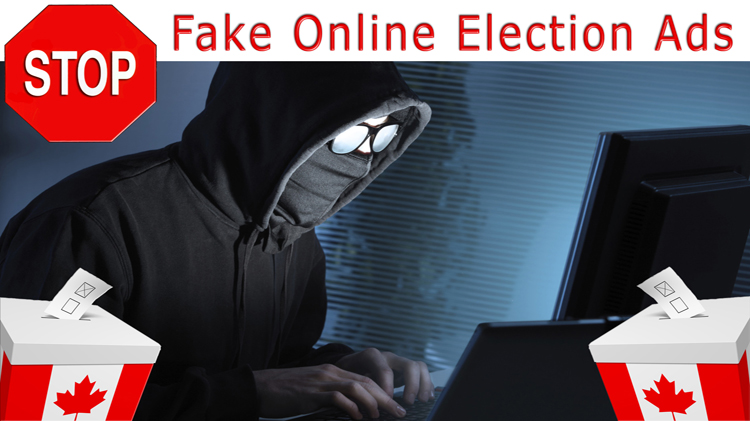
Democracy Watch’s online election ad petition and campaign call for key changes to ensure that all election advertising, in media and social media, complies with the Canada Elections Act’s prohibitions on false ads that exceed political party, candidate and third-party spending limits. Many experts have also called for similar changes.

In its current form, Bill C-76 only prohibits social media companies from knowingly running an ad paid for by a foreigner or foreign entity. That will do nothing to stop secret, fake online election ads paid for by Canadians or Canadian entities, and will do little to stop foreign-paid ads as the social media companies will just claim they didn’t know the ads were paid for by foreigners.

As CTV detailed in March 2017, the Liberal Party uses Data Sciences Inc., run by Prime Minister Trudeau’s friend Tom Pitfield, for its data management of the private, personal information it gathered on Canadian voters. And as CTV in that article, and also Maclean’s magazine detailed in October 2017, Mr. Pitfield also heads up the think tank Canada 2020, which has Facebook and Google as partners (see logos at bottom of page) and executives from Facebook Canada and Google Canada as advisers.

And as the Ottawa Citizen detailed in May 2018, Liberal Party-connected lobbyists and executives work for Facebook, Google, Microsoft, with their friends and/or former colleagues now working for Trudeau Cabinet ministers. In late April, Democracy Watch filed a complaint with the federal Lobbying Commissioner about Facebook Canada failing to register as a lobbying company, and about a Facebook executive doing favours for Trudeau Liberal Cabinet ministers.

“Will the Trudeau Cabinet make the changes called for by experts, committees and thousands of Canadians to ensure the privacy of Canadians and the integrity of federal elections are protected or will the Trudeau Liberals continue to hide behind weak and flawed bills that only protect the Liberal Party and their many friends in social media companies?” asked Duff Conacher, Co-founder of Democracy Watch. “Businesses and political parties and social media companies cannot be trusted to protect Canadians’ privacy or to stop fake or foreign ads on their own because they are in a conflict of interest since they make money from privacy invasions and ads.”

Democracy Watch’s online election ad petition and campaign call for changes to ensure that all election advertising, in media and social media, complies with election laws that:

The problem is mainly with social media sites, like Facebook, through which ads can be targeted directly and only to a specific individual’s page. Unlike an ad in a newspaper or on radio or TV, election watchdog agencies, the media and the public can’t track these targeted online social media ads because only the targeted individual sees the ad. As a result, they can’t ensure the ads comply with the law.

“Canada’s democracy faces the new threat of fake and foreign online election ads, and we need to fight back with changes to elections laws to stop these ads,” said Conacher. “Social media companies cannot be trusted to stop fake or foreign ads on their own because they are in a conflict of interest since they make money from the ads and also some of the companies have significant ties to the Trudeau Liberals.”

Democracy Watch’s Stop Fake Online Election Ads campaign calls for the following six key changes:

  1. prohibit media and social media companies from publishing election-related ads during the six months leading up to an election if the ad is paid for with foreign currency (such as Russian rubles);
  2. require media and social media companies to report every election-related ad to the election law enforcement agency during the six months leading up to an election so the ad can be reviewed to determine if it makes a clearly false claim about a party or candidate;
  3. require media and social media companies to report to the election law enforcement agency who placed and paid for each ad, and how much was spent on the ad, so agency can determine if the amount spent on the ad violates the legal limit (including the amount spent on having employees or contractors or bots share, like or retweet the ad);
  4. require the government to establish an independent commission (whose members are appointed by non-governmental bodies like the Canadian Judicial Council) to conduct a public, merit-based search for the next Chief Electoral Officer (CEO) of Elections Canada (and for the next head of the election law enforcement agency in each province), with the commission giving a shortlist of nominees to the party leaders from which they will all choose together one person as the head of the agency;
  5. give the head of the election law enforcement agency (who, at the federal level, is the Commissioner of Canada Elections) the power, during the six months leading up to an election, to order clearly false, illegal ads be deleted from media and social media sites, and require the head to issue these orders within a few days of receiving the information about each ad, and;
  6. give the head of the election law enforcement agency the power to impose significant fines on social media companies and advertisers who violate the rules (the fines must be large enough to discourage attempts to violate the rules).

– 30 –

FOR MORE INFORMATION, CONTACT:
Duff Conacher, Co-founder of Democracy Watch
Tel: (613) 241-5179 Cell: 416-546-3443
[email protected]

Democracy Watch’s Stop Fake Online Election Ads Campaign

Are Liberals protecting their own data mining and their social media company friends or will they make the public interest changes called for by experts, committees and Canadians?

Over the next week, Democracy Watch will highlight other key undemocratic changes made in Bill C-76 – the Trudeau Liberals must have been joking when they called it the “Election Modernization Act”

FOR IMMEDIATE RELEASE:
Thursday, October 11, 2018

OTTAWA – Today, as the House of Commons Procedure and House Affairs Committee continues its review of Bill C-76, Democracy Watch announced that more than 17,000 Canadians have either signed its online petition on Change.org or its letter-writing campaign calling for changes to stop secret, false online election ads or signed its online petition calling for political parties to be covered by the federal privacy law, and other key privacy protection changes.

Democracy Watch’s petitions were submitted to the House Committee, and it also testified at the hearings on Bill C-76 in June and pointed to several weaknesses in the bill that will do little to protect political parties from abusing Canadians’ personal information or to stop secret, false online election ads.

While Bill C-76 reduces some key barriers to voting, it does little else to ensure fair, democratic elections – over the next week Democracy Watch will reveal other significant, undemocratic steps backwards in the bill that make it far from an “Election Modernization Act” as the Trudeau Liberals have titled the bill.

Democracy Watch’s privacy protection petition calls for changes to strengthen the rules, enforcement and penalties and apply them to all businesses and government institutions, including political parties. Privacy commissioners across Canada have called for parties to be covered by privacy laws as has another House Committee report released in June. In its current form, Bill C-76 only requires political parties to have a privacy policy that they enforce themselves.

Democracy Watch’s online election ad petition and campaign call for key changes to ensure that all election advertising, in media and social media, complies with the Canada Elections Act’s prohibitions on false ads that exceed political party, candidate and third-party spending limits. Many experts have also called for similar changes.

In its current form, Bill C-76 only prohibits social media companies from knowingly running an ad paid for by a foreigner or foreign entity. That will do nothing to stop secret, fake online election ads paid for by Canadians or Canadian entities, and will do little to stop foreign-paid ads as the social media companies will just claim they didn’t know the ads were paid for by foreigners.

As CTV detailed in March 2017, the Liberal Party uses Data Sciences Inc., run by Prime Minister Trudeau’s friend Tom Pitfield, for its data management of the private, personal information it gathered on Canadian voters. And as CTV in that article, and also Maclean’s magazine detailed in October 2017, Mr. Pitfield also heads up the think tank Canada 2020, which has Facebook and Google as partners (see logos at bottom of page) and executives from Facebook Canada and Google Canada as advisers.

And as the Ottawa Citizen detailed in May 2018, Liberal Party-connected lobbyists and executives work for Facebook, Google, Microsoft, with their friends and/or former colleagues now working for Trudeau Cabinet ministers. In late April, Democracy Watch filed a complaint with the federal Lobbying Commissioner about Facebook Canada failing to register as a lobbying company, and about a Facebook executive doing favours for Trudeau Liberal Cabinet ministers.

“Will the Trudeau Cabinet make the changes called for by experts, committees and thousands of Canadians to ensure the privacy of Canadians and the integrity of federal elections are protected or will the Trudeau Liberals continue to hide behind weak and flawed bills that only protect the Liberal Party and their many friends in social media companies?” asked Duff Conacher, Co-founder of Democracy Watch. “Businesses and political parties and social media companies cannot be trusted to protect Canadians’ privacy or to stop fake or foreign ads on their own because they are in a conflict of interest since they make money from privacy invasions and ads.”

Democracy Watch’s online election ad petition and campaign call for changes to ensure that all election advertising, in media and social media, complies with election laws that:

The problem is mainly with social media sites, like Facebook, through which ads can be targeted directly and only to a specific individual’s page. Unlike an ad in a newspaper or on radio or TV, election watchdog agencies, the media and the public can’t track these targeted online social media ads because only the targeted individual sees the ad. As a result, they can’t ensure the ads comply with the law.

“Canada’s democracy faces the new threat of fake and foreign online election ads, and we need to fight back with changes to elections laws to stop these ads,” said Conacher. “Social media companies cannot be trusted to stop fake or foreign ads on their own because they are in a conflict of interest since they make money from the ads and also some of the companies have significant ties to the Trudeau Liberals.”

Democracy Watch’s Stop Fake Online Election Ads campaign calls for the following six key changes:

  1. prohibit media and social media companies from publishing election-related ads during the six months leading up to an election if the ad is paid for with foreign currency (such as Russian rubles);
  2. require media and social media companies to report every election-related ad to the election law enforcement agency during the six months leading up to an election so the ad can be reviewed to determine if it makes a clearly false claim about a party or candidate;
  3. require media and social media companies to report to the election law enforcement agency who placed and paid for each ad, and how much was spent on the ad, so agency can determine if the amount spent on the ad violates the legal limit (including the amount spent on having employees or contractors or bots share, like or retweet the ad);
  4. require the government to establish an independent commission (whose members are appointed by non-governmental bodies like the Canadian Judicial Council) to conduct a public, merit-based search for the next Chief Electoral Officer (CEO) of Elections Canada (and for the next head of the election law enforcement agency in each province), with the commission giving a shortlist of nominees to the party leaders from which they will all choose together one person as the head of the agency;
  5. give the head of the election law enforcement agency (who, at the federal level, is the Commissioner of Canada Elections) the power, during the six months leading up to an election, to order clearly false, illegal ads be deleted from media and social media sites, and require the head to issue these orders within a few days of receiving the information about each ad, and;
  6. give the head of the election law enforcement agency the power to impose significant fines on social media companies and advertisers who violate the rules (the fines must be large enough to discourage attempts to violate the rules).

– 30 –

FOR MORE INFORMATION, CONTACT:
Duff Conacher, Co-founder of Democracy Watch
Tel: (613) 241-5179 Cell: 416-546-3443
[email protected]

Democracy Watch’s Stop Fake Online Election Ads Campaign

Quebec party leaders and Lieutenant Governor should learn from New Brunswick election and agree on eight key rules for minority government to ensure fair post-election decisions

Rules should make clear which party will try governing first, when the legislature will open, what a vote of non-confidence is, what will trigger next election etc.

Should issue public statement of agreement on the rules, and then first bill passed by legislature should make the rules law

FOR IMMEDIATE RELEASE:
Friday, September 28, 2018

OTTAWA – Today, Democracy Watch called on Quebec’s political party leaders and the Lieutenant Governor to learn the lesson of the post-election chaos in New Brunswick and agree this weekend on eight public, written rules for a minority government, as more than 80% of Canadians want. Even if Quebec does not have a minority government after next week’s election, agreeing on the rules now will help ensure the legislature runs fairly and democratically through to the next election.

The rules should make clear: which party will get to try governing first; when the legislature will open; when it can be closed; what a vote of non-confidence is; when and how the opposition parties may get a chance to govern and; when and how the next election can be called before the fixed election date. (See Backgrounder below for the eight rules)

The current rules are unclear because they are unwritten constitutional conventions – even constitutional scholars disagree what lines they draw (but a large majority of scholars do agree the conventions should be written down). The vagueness in the rules effectively allows the elected Premier and ruling party to abuse their powers and violate the rules, as the only way to stop violations is for the unelected, unaccountable Lieutenant Governor as the representative of the British monarchy to decide that a violation has occurred and to try to stop the elected Premier from doing what they want.

Lieutenant governors in several provinces have almost never stopped a premier from doing whatever they want, and have allowed premiers to abuse their powers by not opening the legislature after an election, shutting it down arbitrarily for months, and calling snap elections in violation of fixed-election-date laws. The Governor General allowed Prime Minister Harper to call a snap election in 2008 in violation of the (too vague) fixed-election-date law, to prorogue Parliament in a very questionable minority government situation, and to declare many votes in Parliament as confidence votes even though they were clearly not confidence votes.

In England, Australia and New Zealand, political party leaders and MPs agreed years ago to clear, public rules so what happens after an election is fair for all the parties, and for voters. Most countries in the world also have clear, public post-election rules.

As well, a survey of more than 2,000 Canadians by Harris-Decima in November-December 2012 showed that 84% of adult Canadians want enforceable rules to restrict key powers of the Prime Minister and provincial premiers.

The Governor General also said last August in an interview with the Hill Times that he thought these unwritten constitutional conventions should be written down.

“There are no legal or other justifiable reasons for Quebec’s political party leaders and Lieutenant Governor to fail to approve eight key rules for a minority government,” said Duff Conacher, Co-founder of Democracy Watch. “It is clearly in the public interest that the rules be approved to stop unfair abuses of power by the ruling party that violate the rights of the legislature and the democratic will of the majority of voters.”

After the eight rules are enacted into law, the Quebec legislature should, as the legislatures in England, Australia and New Zealand have, examine and enact other fairness rules to ensure the legislature and MLAs can hold the government accountable. The rules should cover the following key areas: what can be included in omnibus bills; the freedom and powers of individual politicians to vote how they want on resolutions and bills; how members of legislature committees are chosen, and; what a Cabinet can do during an election campaign period until the next Cabinet is chosen.

“As long as the rules for the legislature are unwritten and unclear in Quebec, the premier and ruling party will be able to abuse their powers and the legislature’s ability to hold the government accountable will be undemocratically restricted,” said Conacher.

– 30 –

FOR MORE INFORMATION, CONTACT:
Duff Conacher, Co-founder of Democracy Watch
Tel: (613) 241-5179 Cell: 416-546-3443
[email protected]

Democracy Watch’s Stop PM/Premier Power Abuses Campaign


BACKGROUNDER

8 Key Rules for Minority Government

  1. After the election, the former Premier shall resign as Premier and is prohibited from requesting that the Lieutenant Governor give him/her and his party an opportunity to govern (i.e. to appoint a Cabinet and introduce a Speech from the Throne in the legislature) unless his/her party has won the most seats in the election or s/he can show the Lieutenant Governor that his/her party, (either a formal coalition or a legislative agenda agreement) will be supported by a majority of politicians in the legislature;
  2. If the former Premier’s party has not won the most seats in the election or cannot show that it has a coalition/agreement supported by a majority of politicians in the legislature, the leader of the party that won the most seats in the election shall have the right to request the Lieutenant Governor give it an opportunity to govern (i.e. to appoint a Cabinet and introduce a Speech from the Throne in the legislature);
  3. Within 30 days after the Lieutenant Governor decides which party or parties will be given the first opportunity to govern, the governing party/parties will open the legislature with a Speech from the Throne;
  4. If the leaders of parties that represent a majority of members of the legislature indicate that they will vote against the Speech from the Throne of the governing party/parties, the Premier is prohibited from asking the Lieutenant Governor to prorogue the legislature before the Speech from the Throne is voted on by members of the legislature;
  5. If a majority of members in the legislature vote against the Speech from the Throne, the Premier shall resign as Premier and is prohibited from requesting that the Lieutenant Governor call an election until the Lieutenant Governor has heard from the opposition parties whether they want an opportunity to govern (through either a formal coalition or legislative agreement);
  6. After the vote on the Speech from the Throne, the only vote in the legislature that shall be a vote of non-confidence is a vote on a motion that states: “The legislature does not have confidence in the government.”
  7. If opposition parties introduce a motion of non-confidence in the governing party at any time after election day and before the next fixed-election date, the Premier is prohibited from requesting the Lieutenant Governor prorogue the legislature before the motion is voted on by the legislature, and if the motion passes the legislature may pass another motion within one week that reverses the non-confidence vote;
  8. If the legislature does not vote to reverse the non-confidence vote, the Premier shall resign and is prohibited from requesting the Lieutenant Governor call an election until the Lieutenant Governor has heard from the opposition parties whether they want an opportunity to govern (through either a formal coalition or legislative agreement). The Premier is also prohibited from requesting the Lieutenant Governor call an election in between the fixed-election dates unless a non-confidence vote has been confirmed (and no opposition parties have requested an opportunity to govern) or two-thirds of the politicians in the legislature vote in favour of holding an early election.

Rules should make clear which party will try governing first, when the legislature will open, what a vote of non-confidence is, what will trigger next election etc.

Should issue public statement of agreement on the rules, and then first bill passed by legislature should make the rules law

FOR IMMEDIATE RELEASE:
Friday, September 28, 2018

OTTAWA – Today, Democracy Watch called on Quebec’s political party leaders and the Lieutenant Governor to learn the lesson of the post-election chaos in New Brunswick and agree this weekend on eight public, written rules for a minority government, as more than 80% of Canadians want. Even if Quebec does not have a minority government after next week’s election, agreeing on the rules now will help ensure the legislature runs fairly and democratically through to the next election.

The rules should make clear: which party will get to try governing first; when the legislature will open; when it can be closed; what a vote of non-confidence is; when and how the opposition parties may get a chance to govern and; when and how the next election can be called before the fixed election date. (See Backgrounder below for the eight rules)

The current rules are unclear because they are unwritten constitutional conventions – even constitutional scholars disagree what lines they draw (but a large majority of scholars do agree the conventions should be written down). The vagueness in the rules effectively allows the elected Premier and ruling party to abuse their powers and violate the rules, as the only way to stop violations is for the unelected, unaccountable Lieutenant Governor as the representative of the British monarchy to decide that a violation has occurred and to try to stop the elected Premier from doing what they want.

Lieutenant governors in several provinces have almost never stopped a premier from doing whatever they want, and have allowed premiers to abuse their powers by not opening the legislature after an election, shutting it down arbitrarily for months, and calling snap elections in violation of fixed-election-date laws. The Governor General allowed Prime Minister Harper to call a snap election in 2008 in violation of the (too vague) fixed-election-date law, to prorogue Parliament in a very questionable minority government situation, and to declare many votes in Parliament as confidence votes even though they were clearly not confidence votes.

In England, Australia and New Zealand, political party leaders and MPs agreed years ago to clear, public rules so what happens after an election is fair for all the parties, and for voters. Most countries in the world also have clear, public post-election rules.

As well, a survey of more than 2,000 Canadians by Harris-Decima in November-December 2012 showed that 84% of adult Canadians want enforceable rules to restrict key powers of the Prime Minister and provincial premiers.

The Governor General also said last August in an interview with the Hill Times that he thought these unwritten constitutional conventions should be written down.

“There are no legal or other justifiable reasons for Quebec’s political party leaders and Lieutenant Governor to fail to approve eight key rules for a minority government,” said Duff Conacher, Co-founder of Democracy Watch. “It is clearly in the public interest that the rules be approved to stop unfair abuses of power by the ruling party that violate the rights of the legislature and the democratic will of the majority of voters.”

After the eight rules are enacted into law, the Quebec legislature should, as the legislatures in England, Australia and New Zealand have, examine and enact other fairness rules to ensure the legislature and MLAs can hold the government accountable. The rules should cover the following key areas: what can be included in omnibus bills; the freedom and powers of individual politicians to vote how they want on resolutions and bills; how members of legislature committees are chosen, and; what a Cabinet can do during an election campaign period until the next Cabinet is chosen.

“As long as the rules for the legislature are unwritten and unclear in Quebec, the premier and ruling party will be able to abuse their powers and the legislature’s ability to hold the government accountable will be undemocratically restricted,” said Conacher.

– 30 –

FOR MORE INFORMATION, CONTACT:
Duff Conacher, Co-founder of Democracy Watch
Tel: (613) 241-5179 Cell: 416-546-3443
[email protected]

Democracy Watch’s Stop PM/Premier Power Abuses Campaign


BACKGROUNDER

8 Key Rules for Minority Government

  1. After the election, the former Premier shall resign as Premier and is prohibited from requesting that the Lieutenant Governor give him/her and his party an opportunity to govern (i.e. to appoint a Cabinet and introduce a Speech from the Throne in the legislature) unless his/her party has won the most seats in the election or s/he can show the Lieutenant Governor that his/her party, (either a formal coalition or a legislative agenda agreement) will be supported by a majority of politicians in the legislature;
  2. If the former Premier’s party has not won the most seats in the election or cannot show that it has a coalition/agreement supported by a majority of politicians in the legislature, the leader of the party that won the most seats in the election shall have the right to request the Lieutenant Governor give it an opportunity to govern (i.e. to appoint a Cabinet and introduce a Speech from the Throne in the legislature);
  3. Within 30 days after the Lieutenant Governor decides which party or parties will be given the first opportunity to govern, the governing party/parties will open the legislature with a Speech from the Throne;
  4. If the leaders of parties that represent a majority of members of the legislature indicate that they will vote against the Speech from the Throne of the governing party/parties, the Premier is prohibited from asking the Lieutenant Governor to prorogue the legislature before the Speech from the Throne is voted on by members of the legislature;
  5. If a majority of members in the legislature vote against the Speech from the Throne, the Premier shall resign as Premier and is prohibited from requesting that the Lieutenant Governor call an election until the Lieutenant Governor has heard from the opposition parties whether they want an opportunity to govern (through either a formal coalition or legislative agreement);
  6. After the vote on the Speech from the Throne, the only vote in the legislature that shall be a vote of non-confidence is a vote on a motion that states: “The legislature does not have confidence in the government.”
  7. If opposition parties introduce a motion of non-confidence in the governing party at any time after election day and before the next fixed-election date, the Premier is prohibited from requesting the Lieutenant Governor prorogue the legislature before the motion is voted on by the legislature, and if the motion passes the legislature may pass another motion within one week that reverses the non-confidence vote;
  8. If the legislature does not vote to reverse the non-confidence vote, the Premier shall resign and is prohibited from requesting the Lieutenant Governor call an election until the Lieutenant Governor has heard from the opposition parties whether they want an opportunity to govern (through either a formal coalition or legislative agreement). The Premier is also prohibited from requesting the Lieutenant Governor call an election in between the fixed-election dates unless a non-confidence vote has been confirmed (and no opposition parties have requested an opportunity to govern) or two-thirds of the politicians in the legislature vote in favour of holding an early election.

DWatch calls on Senate Ethics Officer to rule Senator Campbell’s corporate board position and investments violate ethics code

Senate Ethics Officer should also review and rule that other senators’ significant board positions and investments also violate key ethic code integrity rules

Senate Ethics Officer should disclose more than 700 secret rulings that have been issued since 2014, and make all rulings public in the future

FOR IMMEDIATE RELEASE:
Thursday, September 27, 2018

OTTAWA – Today, Democracy Watch release the letter it sent yesterday to Senate Ethics Officer Pierre Legault calling on him to investigate and issue a ruling that Senator Larry Campbell’s position as a board member with Great Canadian Gaming Corporation (with stock options in the company) violates the purpose and rules of the Senate ethics code.

Democracy Watch also called on the Ethics Officer Legault to review the board positions and investments of all senators, and to issue the same ruling for any senator who holds a position as a board member or executive or who has investments in any corporation that has interests in the province they represent or interests affected by federal laws.

As well, Democracy Watch called on Ethics Officer Legault to make public the more than 700 secret rulings made by Ethics Officer Lyse Ricard from April 1, 2014 to June 2017, and by Ethics Officer Legault from July 2017 on. The first Senate Ethics Officer, Jean T. Fournier, included summaries of key opinions he gave to senators in his annual reports from 2006 to 2012, and Ethics Officer Ricard did the same in her reports for 2012-2013 and 2013-2014. However, Ms. Ricard did not include in her annual reports any summaries of rulings issued from April 1, 2014 to the end of her time in office in June 2017. Mr. Legault also did not include any of these rulings in his first annual report.

Section 1 of the Ethics and Conflict of Interest Code for Senators sets out the purposes of the Code including ensuring and actually enhancing public confidence and trust in the integrity of senators and the Senate. Subsection 2(1) of the Code requires senators to give precedence to their parliamentary duties and functions over any other duty or activity, and subsection 2(2) sets out principles senators are expected to uphold, including avoiding even the appearance of a conflict of interest. Section 7.2 requires senators to perform their parliamentary functions and duties with dignity, honour and integrity.

Both subsection 2(1) and section 7.2 are new rules added to the Code in June 2014. Neither rule has been interpreted or applied since then in any public ruling of the Senate Ethics Officer.

Democracy Watch’s opinion is that because Great Canadian Gaming operates businesses in B.C. that are the subject of investigations and regulatory reviews in B.C., and that are subject to federal laws as well, Senator Larry Campbell duties as a board member of the company, and his stock options in the company, conflict with the overall public interest of the people of B.C. that Senator Campbell has a duty to represent and uphold as a senator from B.C., and violate rules in the Senate ethics code.

“Senator Campbell is in a constant conflict of interest between his duties as a board member to further the company’s interests and his duty as a senator to uphold the overall public interest of the people of B.C.,” said Duff Conacher, Co-founder of Democracy Watch. “The Senate ethics rules require senators to dedicate themselves to their duties as a senator over all other activities, and to always act with integrity and avoid even the appearance of a conflict of interest, and no senator can comply with those rules when they are a board member, executive or investor in a corporation that is regulated by federal laws or operates in the province they are supposed to represent.”

“Senators can help their company’s interests not only by taking part in discussions, debates and votes that affect the company’s interests but also by not doing anything such as not making any public statements or proposals that would hurt the company’s interests,” said Conacher. “That’s why it’s so important for the Senate Ethics Officer to rule that it’s a violation of the Senate ethics rules for a senator to be a board member, executive or investor in a corporation that has interests in the province they represent or that is regulated by federal laws.”

“It’s also important for Senate Ethics Officer Legault to disclose the past four years of secret rulings by himself and his predecessor Lyse Ricard, and continue in the future to disclose as the public has a right to know how the Senate ethics rules have been interpreted and applied in every case,” said Conacher.

In its letter, Democracy Watch also noted, that while Prime Minister Trudeau claims that the appointment of Mr. Legault as Senate Ethics Officer was the result of an “open, transparent and merit-based” process, it was, as summarized by Mr. Legault during his hearing before the Senate on December 11, 2017, actually a closed, secretive process involving unknown people who work in the Privy Council Office, the Prime Minister’s Office, and the Senate. The appointment process was, therefore, partisan and political in ways that fundamentally undermine the Senate Ethics Officer’s independence.

– 30 –

FOR MORE INFORMATION, CONTACT:
Duff Conacher, Co-founder of Democracy Watch
Tel: (613) 241-5179 Cell: 416-546-3443
[email protected]

Democracy Watch’s Government Ethics Campaign

Senate Ethics Officer should also review and rule that other senators’ significant board positions and investments also violate key ethic code integrity rules

Senate Ethics Officer should disclose more than 700 secret rulings that have been issued since 2014, and make all rulings public in the future

FOR IMMEDIATE RELEASE:
Thursday, September 27, 2018

OTTAWA – Today, Democracy Watch release the letter it sent yesterday to Senate Ethics Officer Pierre Legault calling on him to investigate and issue a ruling that Senator Larry Campbell’s position as a board member with Great Canadian Gaming Corporation (with stock options in the company) violates the purpose and rules of the Senate ethics code.

Democracy Watch also called on the Ethics Officer Legault to review the board positions and investments of all senators, and to issue the same ruling for any senator who holds a position as a board member or executive or who has investments in any corporation that has interests in the province they represent or interests affected by federal laws.

As well, Democracy Watch called on Ethics Officer Legault to make public the more than 700 secret rulings made by Ethics Officer Lyse Ricard from April 1, 2014 to June 2017, and by Ethics Officer Legault from July 2017 on. The first Senate Ethics Officer, Jean T. Fournier, included summaries of key opinions he gave to senators in his annual reports from 2006 to 2012, and Ethics Officer Ricard did the same in her reports for 2012-2013 and 2013-2014. However, Ms. Ricard did not include in her annual reports any summaries of rulings issued from April 1, 2014 to the end of her time in office in June 2017. Mr. Legault also did not include any of these rulings in his first annual report.

Section 1 of the Ethics and Conflict of Interest Code for Senators sets out the purposes of the Code including ensuring and actually enhancing public confidence and trust in the integrity of senators and the Senate. Subsection 2(1) of the Code requires senators to give precedence to their parliamentary duties and functions over any other duty or activity, and subsection 2(2) sets out principles senators are expected to uphold, including avoiding even the appearance of a conflict of interest. Section 7.2 requires senators to perform their parliamentary functions and duties with dignity, honour and integrity.

Both subsection 2(1) and section 7.2 are new rules added to the Code in June 2014. Neither rule has been interpreted or applied since then in any public ruling of the Senate Ethics Officer.

Democracy Watch’s opinion is that because Great Canadian Gaming operates businesses in B.C. that are the subject of investigations and regulatory reviews in B.C., and that are subject to federal laws as well, Senator Larry Campbell duties as a board member of the company, and his stock options in the company, conflict with the overall public interest of the people of B.C. that Senator Campbell has a duty to represent and uphold as a senator from B.C., and violate rules in the Senate ethics code.

“Senator Campbell is in a constant conflict of interest between his duties as a board member to further the company’s interests and his duty as a senator to uphold the overall public interest of the people of B.C.,” said Duff Conacher, Co-founder of Democracy Watch. “The Senate ethics rules require senators to dedicate themselves to their duties as a senator over all other activities, and to always act with integrity and avoid even the appearance of a conflict of interest, and no senator can comply with those rules when they are a board member, executive or investor in a corporation that is regulated by federal laws or operates in the province they are supposed to represent.”

“Senators can help their company’s interests not only by taking part in discussions, debates and votes that affect the company’s interests but also by not doing anything such as not making any public statements or proposals that would hurt the company’s interests,” said Conacher. “That’s why it’s so important for the Senate Ethics Officer to rule that it’s a violation of the Senate ethics rules for a senator to be a board member, executive or investor in a corporation that has interests in the province they represent or that is regulated by federal laws.”

“It’s also important for Senate Ethics Officer Legault to disclose the past four years of secret rulings by himself and his predecessor Lyse Ricard, and continue in the future to disclose as the public has a right to know how the Senate ethics rules have been interpreted and applied in every case,” said Conacher.

In its letter, Democracy Watch also noted, that while Prime Minister Trudeau claims that the appointment of Mr. Legault as Senate Ethics Officer was the result of an “open, transparent and merit-based” process, it was, as summarized by Mr. Legault during his hearing before the Senate on December 11, 2017, actually a closed, secretive process involving unknown people who work in the Privy Council Office, the Prime Minister’s Office, and the Senate. The appointment process was, therefore, partisan and political in ways that fundamentally undermine the Senate Ethics Officer’s independence.

– 30 –

FOR MORE INFORMATION, CONTACT:
Duff Conacher, Co-founder of Democracy Watch
Tel: (613) 241-5179 Cell: 416-546-3443
[email protected]

Democracy Watch’s Government Ethics Campaign

DWatch calls on Auditor General to rule that Ford Conservatives’ fake news videos violate government advertising law if public money spent promoting them

If ruling finds technical loophole that permits spending public money to promote the fake news videos, the Auditor General should call for closing the loophole

FOR IMMEDIATE RELEASE:
Wednesday, September 26, 2018

OTTAWA – Today, Democracy Watch released the letter it sent yesterday to Ontario Auditor General (AG) Bonnie Lysyk calling on her to investigate and issue a ruling that, if public money is spent on ads to promote them, the Ford Conservatives’ fake news videos posted on social media violate the Government Advertising Act (GAA).

The GAA prohibits departments and Cabinet offices from running ads that are partisan, and requires all ads to be submitted to the AG for review before they are run so that the AG can require changes if the ads are partisan (meaning ads that feature the Premier, ministers or MPPs, the party’s logo or colours and/or ads that name and criticize a member of the legislature). All ads must also include a statement that the item is paid for by the Government of Ontario.

The Conservatives’ fake news social media accounts claim that the videos are produced by their caucus services office but Premier Ford and other Cabinet ministers are clearly involved in the production of the videos as one or more of them appear in all the videos in exclusive interviews. The fake news social media accounts confirm that they provide “exclusive content” on the government and caucus. None of the videos include a statement saying that they are paid for by the Government of Ontario.

As well, given that the caucus service office is funded by public money, and is directly connected functionally to the Premier’s office and Cabinet, the AG should conclude that those offices are directly involved in the production of the posts.

Given the Premier’s and Cabinet’s involvement in producing the videos, if the Conservatives’ caucus services office has paid to promote any of the videos as ads through its social media accounts, the AG should rule that the videos should have been submitted to the AG for review for partisanship before they were promoted as ads. The AG should also rule that all of the videos that have been promoted so far violate the GAA.

“The law is aimed at preventing the Ontario government from spending the public’s money promoting the ruling party. As a result, given Premier Ford and his Cabinet ministers have been directly involved in producing the fake news videos, the Auditor General should rule that the videos violate the law if public money has been spent promoting them,” said Duff Conacher, Co-founder of Democracy Watch.

– 30 –

FOR MORE INFORMATION, CONTACT:
Duff Conacher, Co-founder of Democracy Watch
Tel: (613) 241-5179 Cell: 416-546-3443
[email protected]

Democracy Watch’s Stop Fraud Politician Spending Campaign page

If ruling finds technical loophole that permits spending public money to promote the fake news videos, the Auditor General should call for closing the loophole

FOR IMMEDIATE RELEASE:
Wednesday, September 26, 2018

OTTAWA – Today, Democracy Watch released the letter it sent yesterday to Ontario Auditor General (AG) Bonnie Lysyk calling on her to investigate and issue a ruling that, if public money is spent on ads to promote them, the Ford Conservatives’ fake news videos posted on social media violate the Government Advertising Act (GAA).

The GAA prohibits departments and Cabinet offices from running ads that are partisan, and requires all ads to be submitted to the AG for review before they are run so that the AG can require changes if the ads are partisan (meaning ads that feature the Premier, ministers or MPPs, the party’s logo or colours and/or ads that name and criticize a member of the legislature). All ads must also include a statement that the item is paid for by the Government of Ontario.

The Conservatives’ fake news social media accounts claim that the videos are produced by their caucus services office but Premier Ford and other Cabinet ministers are clearly involved in the production of the videos as one or more of them appear in all the videos in exclusive interviews. The fake news social media accounts confirm that they provide “exclusive content” on the government and caucus. None of the videos include a statement saying that they are paid for by the Government of Ontario.

As well, given that the caucus service office is funded by public money, and is directly connected functionally to the Premier’s office and Cabinet, the AG should conclude that those offices are directly involved in the production of the posts.

Given the Premier’s and Cabinet’s involvement in producing the videos, if the Conservatives’ caucus services office has paid to promote any of the videos as ads through its social media accounts, the AG should rule that the videos should have been submitted to the AG for review for partisanship before they were promoted as ads. The AG should also rule that all of the videos that have been promoted so far violate the GAA.

“The law is aimed at preventing the Ontario government from spending the public’s money promoting the ruling party. As a result, given Premier Ford and his Cabinet ministers have been directly involved in producing the fake news videos, the Auditor General should rule that the videos violate the law if public money has been spent promoting them,” said Duff Conacher, Co-founder of Democracy Watch.

– 30 –

FOR MORE INFORMATION, CONTACT:
Duff Conacher, Co-founder of Democracy Watch
Tel: (613) 241-5179 Cell: 416-546-3443
[email protected]

Democracy Watch’s Stop Fraud Politician Spending Campaign page

More than 23,000 sign petition calling on Premier Ford to stop violating Ontarian’s Charter rights

Petition calls on Premier Ford and AG Caroline Mulroney to stop Bill 31’s use of the notwithstanding clause, and never use the clause again

FOR IMMEDIATE RELEASE:
Wednesday, September 19, 2018

OTTAWA – Today, Democracy Watch announced that in the past few days more than 23,000 Ontarians have signed its petition on Change.org calling on Premier Doug Ford and Attorney General Caroline Mulroney to stop passage of Bill 31 because it contains the notwithstanding clause aimed at overriding the recent court ruling, and to never use the clause again. The petition can be seen at: www.change.org/p/doug-ford-don-t-violate-the-charter-of-rights

Premier Ford said recently that he “won’t be shy” in overriding court rulings that find he or his government have violated the fundamental rights of people in Ontario, rights protected by the Charter of Rights and Freedoms in Canada’s Constitution.

The Charter exists to protect Canadians from abuses of power by politicians and government officials, and is supported by more than 90% of Canadians.

“Premier Ford has made several false claims to try to justify his use of the notwithstanding clause to violate the rights of candidates and voters in Toronto’s election, and he has issued the dangerously undemocratic threat to use the clause again in the future whenever the courts rule that his government’s measures violate the rights of Ontarians,” said Duff Conacher, Co-founder of Democracy Watch and Adjunct Professor of Law and Politics at the University of Ottawa. “Democracy Watch and thousands of people who have signed its petition stand with the many people from across the political spectrum who have called on Premier Ford and Attorney General Caroline Mulroney to stop violating Ontarians’ Charter rights and, instead, follow the democratic, proper constitutional path of appealing the recent court ruling concerning Toronto’s election.”

The rights Premier Ford has said he “won’t be shy” to violate include:

  • the rights to freedom of expression, religion, and to protest government actions and join a union;
  • the rights to privacy, and to not be arrested or jailed arbitrarily, and to be presumed innocent and not be subjected to cruel or unusual punishment, and;
  • the right not to be discriminated against based on your race, ethnicity, religion, sex, age or physical disability.

– 30 –

FOR MORE INFORMATION, CONTACT:
Duff Conacher, Co-founder of Democracy Watch
Tel: (613) 241-5179
Cell: 416-546-3443
[email protected]

Democracy Watch’s Stop PM/Premier Power Abuses Campaign

Petition calls on Premier Ford and AG Caroline Mulroney to stop Bill 31’s use of the notwithstanding clause, and never use the clause again

FOR IMMEDIATE RELEASE:
Wednesday, September 19, 2018

OTTAWA – Today, Democracy Watch announced that in the past few days more than 23,000 Ontarians have signed its petition on Change.org calling on Premier Doug Ford and Attorney General Caroline Mulroney to stop passage of Bill 31 because it contains the notwithstanding clause aimed at overriding the recent court ruling, and to never use the clause again. The petition can be seen at: www.change.org/p/doug-ford-don-t-violate-the-charter-of-rights

Premier Ford said recently that he “won’t be shy” in overriding court rulings that find he or his government have violated the fundamental rights of people in Ontario, rights protected by the Charter of Rights and Freedoms in Canada’s Constitution.

The Charter exists to protect Canadians from abuses of power by politicians and government officials, and is supported by more than 90% of Canadians.

“Premier Ford has made several false claims to try to justify his use of the notwithstanding clause to violate the rights of candidates and voters in Toronto’s election, and he has issued the dangerously undemocratic threat to use the clause again in the future whenever the courts rule that his government’s measures violate the rights of Ontarians,” said Duff Conacher, Co-founder of Democracy Watch and Adjunct Professor of Law and Politics at the University of Ottawa. “Democracy Watch and thousands of people who have signed its petition stand with the many people from across the political spectrum who have called on Premier Ford and Attorney General Caroline Mulroney to stop violating Ontarians’ Charter rights and, instead, follow the democratic, proper constitutional path of appealing the recent court ruling concerning Toronto’s election.”

The rights Premier Ford has said he “won’t be shy” to violate include:

  • the rights to freedom of expression, religion, and to protest government actions and join a union;
  • the rights to privacy, and to not be arrested or jailed arbitrarily, and to be presumed innocent and not be subjected to cruel or unusual punishment, and;
  • the right not to be discriminated against based on your race, ethnicity, religion, sex, age or physical disability.

– 30 –

FOR MORE INFORMATION, CONTACT:
Duff Conacher, Co-founder of Democracy Watch
Tel: (613) 241-5179
Cell: 416-546-3443
[email protected]

Democracy Watch’s Stop PM/Premier Power Abuses Campaign