
Sorry, this entry is only available in Français.
Category: News
The high cost of accessing public records is a barrier to democracy, experts say
Democracy Watch calls for changes to stop secret fake online election ads that can easily violate spending limits
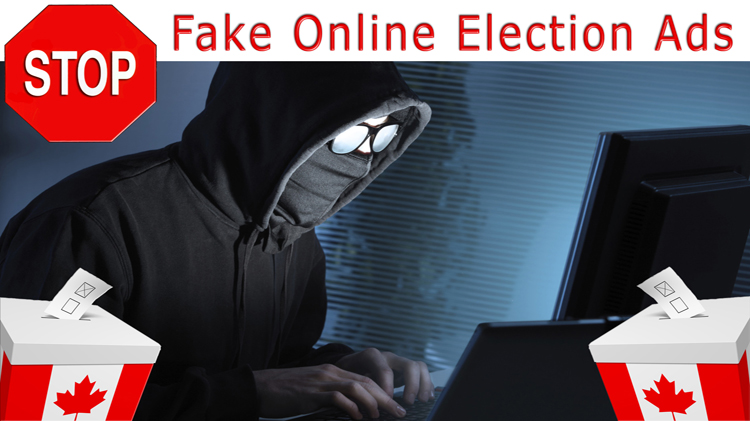
More than 4,500 Canadians have signed online petition supporting changes to election laws to prohibit social media companies from running secret, false election ads that violate limits
FOR IMMEDIATE RELEASE:
Wednesday, March 28, 2018
OTTAWA – Today, as more and more details about secret, fake online ads in the U.S. election and Brexit referendum that violated spending limits are being revealed, Democracy Watch called for changes to election laws across Canada to stop such ads undermining elections and referendums here. More than 4,500 Canadians have signed its online petition on Change.org aimed at federal party leaders, and Democracy Watch also has an online letter-writing campaign calling on all governments across Canada to make the same changes.
The campaign calls for changes to ensure that all election advertising, in media and social media, complies with election laws that:
- prohibit foreigners from running ads (such as section 331 and section 282 of the Canada Elections Act);
- prohibit false ads (such as section 482 of the Canada Elections Act), and;
- at the federal level and in seven provinces, limit spending on advertising by “third party” interest groups and individuals (an eighth province, Alberta, requires registration of third parties, and doesn’t allow contributors from outside the province).
The problem is mainly with social media sites, like Facebook, through which ads can be targeted directly and only to a specific individual’s page. Unlike an ad in a newspaper or on radio or TV, election watchdog agencies, the media and the public can’t track these targeted online social media ads because only the targeted individual sees the ad. As a result, they can’t ensure the ads comply with the law.
“Canada’s democracy faces the new threat of fake and foreign online election ads, and we need to fight back with changes to elections laws to stop these ads,” said Duff Conacher, Co-founder of Democracy Watch. “Social media companies cannot be trusted to stop fake or foreign ads on their own because they are in a conflict of interest since they make money from the ads and also may support one political party more than others.”
Democracy Watch’s Stop Fake Online Election Ads campaign calls for the following six key changes:
- prohibit media and social media companies from publishing election-related ads during the six months leading up to an election if the ad is paid for with foreign currency (such as Russian rubles);
- require media and social media companies to report every election-related ad to the election law enforcement agency during the six months leading up to an election so the ad can be reviewed to determine if it makes a clearly false claim about a party or candidate;
- require media and social media companies to report to the election law enforcement agency who placed and paid for each ad, and how much was spent on the ad, so agency can determine if the amount spent on the ad violates the legal limit (including the amount spent on having employees or contractors or bots share, like or retweet the ad);
- require the government to establish an independent commission (whose members are appointed by non-governmental bodies like the Canadian Judicial Council) to conduct a public, merit-based search for the next Chief Electoral Officer (CEO) of Elections Canada (and for the next head of the election law enforcement agency in each province), with the commission giving a shortlist of nominees to the party leaders from which they will all choose together one person as the head of the agency;
- give the head of the election law enforcement agency (who, at the federal level, is the Commissioner of Canada Elections) the power, during the six months leading up to an election, to order clearly false, illegal ads be deleted from media and social media sites, and require the head to issue these orders within a few days of receiving the information about each ad, and;
- give the head of the election law enforcement agency the power to impose significant fines on social media companies and advertisers who violate the rules (the fines must be large enough to discourage attempts to violate the rules).
– 30 –
FOR MORE INFORMATION, CONTACT:
Duff Conacher, Co-founder of Democracy Watch
Tel: (613) 241-5179
Cell: 416-546-3443
[email protected]
Democracy Watch’s Stop Fake Online Election Ads Campaign
More than 4,500 Canadians have signed online petition supporting changes to election laws to prohibit social media companies from running secret, false election ads that violate limits
FOR IMMEDIATE RELEASE:
Wednesday, March 28, 2018
OTTAWA – Today, as more and more details about secret, fake online ads in the U.S. election and Brexit referendum that violated spending limits are being revealed, Democracy Watch called for changes to election laws across Canada to stop such ads undermining elections and referendums here. More than 4,500 Canadians have signed its online petition on Change.org aimed at federal party leaders, and Democracy Watch also has an online letter-writing campaign calling on all governments across Canada to make the same changes.
The campaign calls for changes to ensure that all election advertising, in media and social media, complies with election laws that:
- prohibit foreigners from running ads (such as section 331 and section 282 of the Canada Elections Act);
- prohibit false ads (such as section 482 of the Canada Elections Act), and;
- at the federal level and in seven provinces, limit spending on advertising by “third party” interest groups and individuals (an eighth province, Alberta, requires registration of third parties, and doesn’t allow contributors from outside the province).
The problem is mainly with social media sites, like Facebook, through which ads can be targeted directly and only to a specific individual’s page. Unlike an ad in a newspaper or on radio or TV, election watchdog agencies, the media and the public can’t track these targeted online social media ads because only the targeted individual sees the ad. As a result, they can’t ensure the ads comply with the law.
“Canada’s democracy faces the new threat of fake and foreign online election ads, and we need to fight back with changes to elections laws to stop these ads,” said Duff Conacher, Co-founder of Democracy Watch. “Social media companies cannot be trusted to stop fake or foreign ads on their own because they are in a conflict of interest since they make money from the ads and also may support one political party more than others.”
Democracy Watch’s Stop Fake Online Election Ads campaign calls for the following six key changes:
- prohibit media and social media companies from publishing election-related ads during the six months leading up to an election if the ad is paid for with foreign currency (such as Russian rubles);
- require media and social media companies to report every election-related ad to the election law enforcement agency during the six months leading up to an election so the ad can be reviewed to determine if it makes a clearly false claim about a party or candidate;
- require media and social media companies to report to the election law enforcement agency who placed and paid for each ad, and how much was spent on the ad, so agency can determine if the amount spent on the ad violates the legal limit (including the amount spent on having employees or contractors or bots share, like or retweet the ad);
- require the government to establish an independent commission (whose members are appointed by non-governmental bodies like the Canadian Judicial Council) to conduct a public, merit-based search for the next Chief Electoral Officer (CEO) of Elections Canada (and for the next head of the election law enforcement agency in each province), with the commission giving a shortlist of nominees to the party leaders from which they will all choose together one person as the head of the agency;
- give the head of the election law enforcement agency (who, at the federal level, is the Commissioner of Canada Elections) the power, during the six months leading up to an election, to order clearly false, illegal ads be deleted from media and social media sites, and require the head to issue these orders within a few days of receiving the information about each ad, and;
- give the head of the election law enforcement agency the power to impose significant fines on social media companies and advertisers who violate the rules (the fines must be large enough to discourage attempts to violate the rules).
– 30 –
FOR MORE INFORMATION, CONTACT:
Duff Conacher, Co-founder of Democracy Watch
Tel: (613) 241-5179
Cell: 416-546-3443
[email protected]
Democracy Watch’s Stop Fake Online Election Ads Campaign
Canadian MPs accepted $620K worth of free travel from third parties, foreign entities in 2017
It’s official — the Harper government muzzled scientists. Some say it’s still happening
Follow the Money
Former Information Commissioner Legault rules Harper Conservatives violated policy by muzzling government scientists, and Trudeau Liberals ignoring recommendations needed to stop muzzling

Will new Information Commissioner Caroline Maynard continue pushing to stop muzzling of scientists, and for other key open government and whistleblower protection changes?
Senate should amend Bill C-58 as it fails to keep Liberals’ open government promises and ignores broad support over past 15 years for key, long overdue changes needed to change culture of excessive secrecy
FOR IMMEDIATE RELEASE:
Thursday, March 15, 2018
OTTAWA – Today, Democracy Watch and the University of Victoria’s Environmental Law Clinic released former Information Commissioner Suzanne Legault’s investigation report on whether the Harper Conservatives muzzled government scientists. The report resulted from a complaint filed in February 2013 by Democracy Watch in collaboration with the University of Victoria’s Environmental Law Clinic.
Commissioner Legault’s report, released February 28, 2018 just before her term in office ended, found that six departments and agencies in the Conservative government violated the government’s Communications policy and “formal commitments to foster and promote Open Government” by muzzling scientists in ways that prevented them from “responding to the information needs of the public.”
The report also says that while the Trudeau Liberal government has made some changes that increase “the likelihood that members of the public can obtain timely access to complete, accurate and expert information,” the Liberals have failed to implement four recommendations Information Commissioner Legault made last September to ensure government scientists no longer feel a “chill” or “fear” when disclosing their research publicly, as follows:
- Ensure the Chief Science Advisor is independent from Cabinet and has the mandate to ensure government science is fully available to the public and scientists can speak freely about their work;
- Require government institutions to collect data and report on how the respond to requests for government science information;
- Change the Access to Information Act to require proactive public disclosure of information that could affect public safety, public health and environmental protection;
- Correct any weaknesses in the protections and supports provided to government scientists who disclose their research, and establish best practices and educate them about their rights, and evaluate whether they feel confident exercising their rights.
A recent survey of federal government scientists found that 53% of them still feel muzzled.
Democracy Watch and the Open Government Coalition it coordinates called on the Senate to make these and related changes during its review of Bill C-58 to strengthen the federal Access to Information Act and open government system (as called for by a unanimous House Committee report in June 2016 — SEE details below).
Democracy Watch and the Open Government Coalition also called on the Liberals to reverse their decision last October which rejected the changes recommended by the House Government Operations Committee last June to strengthen whistleblower protection (SEE details about the Committee’s report, and Treasury Board President Scott Brison’s response, here).
They also called on new federal Information Commissioner Caroline Maynard to continue pushing for key changes to strengthen the federal open government law, and whistleblower protection law, and enforcement systems to ensure openness by default (as the Liberals promised in their 2015 election platform).
“The Information Commissioner has not only reached the important conclusion that the Harper Conservatives violated federal policies by muzzling government scientists but also that the Trudeau Liberals have not done enough to unmuzzle them and ensure they don’t have anything to fear when they disclose their scientific research to the public,” said Duff Conacher, Co-founder of Democracy Watch. “To protect government scientists, and all public servants, who disclose key information the public has a right to know, the Liberals must strengthen the federal open government law and enforcement system, and the federal whistleblower protection law and system. The Senate can make many of these key changes when it reviews Bill C-58.”
“Government scientists do research that both government and the public need to make policy decisions on things like climate change and oil spill risks. It is profoundly dangerous when government muzzles scientists and hides information from the public. Such muzzling threatens democracy because it deprives citizens of the information they need to make sound policy choices. Equally important, such muzzling endangers the environment, because it makes evidence-based environmental decision-making far less likely,” said Calvin Sandborn, Legal Director of University of Victoria’s Environmental Law Clinic. “The law, enforcement system and culture of the federal government must all ensure that scientists feel no fear when they share government research with the people that own it – the citizens of Canada,” he concluded.
The Trudeau Liberals promised several changes not included in Bill C-58 in the Open Government section of their 2015 election platform, and in the specific Access to Information section of the platform. Bill C-58 also includes changes that were not promised in the Liberals’ platform, changes that are big steps backwards in access rights. The Liberals have also failed to keep their international Open Government Partnership commitments, weak as those commitments were. Bill C-58 also ignores many of the recommendations made in the unanimous June 2016 report of the House of Commons Access, Privacy and Ethics Committee.
Tens of thousands of voters have sent messages through Democracy Watch’s Open Government Campaign page calling on federal parties to make these key changes. Democracy Watch also signed the open letter issued recently by a global coalition of organizations and individuals calling for similar changes.
“Given that the federal Access to Information Act and open government system have been reviewed several times in the past 15 years, and that there is a consensus on key changes that must be made, there is no justifiable reason for any further delay in making the changes,” said Duff Conacher, Co-founder of Democracy Watch and Part-time Professor of law and politics at the University of Ottawa. “If these key changes are finally made, and the Senate can make many of them when it reviews Bill C-58, the current federal ‘Guide to Keeping Secrets Act’ will finally become a real access to information act,” said Conacher.
The public was consulted on changes to the Act and system in 2000, and again in 2009 when a House Committee issued a unanimous report calling for changes, and again in 2011 and in 2013 (twice) through the international Open Government Partnership (OGP) process. The Information Commissioner issued a report in late March 2015 recommending many key changes. And, then, as mentioned above, the Liberals have consulted on their weak international Open Government Partnership 2016-2018 plan. Every consultation has resulted in a broad, strong call from the public and citizen groups to make the key changes listed below.
In addition to the changes the Liberals promised in their 2015, election campaign, the Conservatives promised several key changes in their 2006 election platform and federal Conservative Treasury Board minister Tony Clement agreed in 2014 that the Access to Information Act needs to be changed (as did Rob Nicholson in 2009). Also, the NDP and Liberals both introduced private member bills aimed at changing the Act when the Conservatives were in power.
The key changes that Democracy Watch and the Open Government Coalition have been advocating for more than 15 years are as follows:
- any type of record created by any entity that receives significant funding from or is connected to the government, or was created by the government and fulfills public interest functions, should be automatically covered by the access to information law and system (as in the United Kingdom);
- all exemptions under the access to information law should be discretionary, and limited by a proof of harm test and a public interest override (as in B.C. and Alberta);
- the access to information law and system should require every entity covered (as in the United Kingdom, U.S., Australia and New Zealand): to create detailed records for all decisions and actions and factual and policy research; to routinely disclose records that are required to be disclosed; to assign responsibility to individuals for the creation and maintenance of each record, and; to maintain each record so that it remains easily accessible;
- the access to information law and system should allow anyone who does factual or policy research for the government to speak to the media and publicly about the topic, findings and conclusions of their research without being required to seek approval first from anyone (including their superior, the Privy Council, the Prime Minister, a Cabinet minister, or any ministerial staff person);
- severe penalties should be created for not creating records, for not maintaining records properly, and for unjustifiable delays in responses to requests;
- the Information Commissioner should be given explicit powers under access to information: to order the release of a record (as in the United Kingdom, Ontario, B.C. and Quebec); to penalize violators of the law with high fines, jail terms, loss of any severance payment, and partial clawback of any pension payments, and; to require systemic changes in government departments to improve compliance (as in the United Kingdom)
- funding to the access to information system and enforcement should be increased to solve backlog problems instead of increasing administrative barriers such as limiting requests in any way, and fees for access should be lower overall and standardized for every entity covered by the access to information law and system; and
- Parliament must be required to review the ATI Act every 5 years to ensure that problem areas are corrected, and;
- establish a fully independent, non-partisan appointments commission (with members, appointed by non-governmental organizations like the Canadian Judicial Council, serving fixed terms of office) to conduct a merit-based search for nominees for Information Commissioner and all other officers of Parliament, and to present a short list to the Cabinet that the Cabinet has to choose from after at least consulting with all federal party leaders (even better, require that a majority of party leaders approve of the Cabinet’s choice).
– 30 –
FOR MORE INFORMATION, CONTACT:
Duff Conacher, Co-founder of Democracy Watch
Tel: 613-241-5179
Cell: 416-546-3443
Email: [email protected]
Calvin Sandborn, Legal Director of University of Victoria’s Environmental Law Clinic
Tel: 250-472-5248
Email: [email protected]
Democracy Watch’s Open Government Campaign and Protect Whistleblowers Who Protect You Campaign
Will new Information Commissioner Caroline Maynard continue pushing to stop muzzling of scientists, and for other key open government and whistleblower protection changes?
Senate should amend Bill C-58 as it fails to keep Liberals’ open government promises and ignores broad support over past 15 years for key, long overdue changes needed to change culture of excessive secrecy
FOR IMMEDIATE RELEASE:
Thursday, March 15, 2018
OTTAWA – Today, Democracy Watch and the University of Victoria’s Environmental Law Clinic released former Information Commissioner Suzanne Legault’s investigation report on whether the Harper Conservatives muzzled government scientists. The report resulted from a complaint filed in February 2013 by Democracy Watch in collaboration with the University of Victoria’s Environmental Law Clinic.
Commissioner Legault’s report, released February 28, 2018 just before her term in office ended, found that six departments and agencies in the Conservative government violated the government’s Communications policy and “formal commitments to foster and promote Open Government” by muzzling scientists in ways that prevented them from “responding to the information needs of the public.”
The report also says that while the Trudeau Liberal government has made some changes that increase “the likelihood that members of the public can obtain timely access to complete, accurate and expert information,” the Liberals have failed to implement four recommendations Information Commissioner Legault made last September to ensure government scientists no longer feel a “chill” or “fear” when disclosing their research publicly, as follows:
- Ensure the Chief Science Advisor is independent from Cabinet and has the mandate to ensure government science is fully available to the public and scientists can speak freely about their work;
- Require government institutions to collect data and report on how the respond to requests for government science information;
- Change the Access to Information Act to require proactive public disclosure of information that could affect public safety, public health and environmental protection;
- Correct any weaknesses in the protections and supports provided to government scientists who disclose their research, and establish best practices and educate them about their rights, and evaluate whether they feel confident exercising their rights.
A recent survey of federal government scientists found that 53% of them still feel muzzled.
Democracy Watch and the Open Government Coalition it coordinates called on the Senate to make these and related changes during its review of Bill C-58 to strengthen the federal Access to Information Act and open government system (as called for by a unanimous House Committee report in June 2016 — SEE details below).
Democracy Watch and the Open Government Coalition also called on the Liberals to reverse their decision last October which rejected the changes recommended by the House Government Operations Committee last June to strengthen whistleblower protection (SEE details about the Committee’s report, and Treasury Board President Scott Brison’s response, here).
They also called on new federal Information Commissioner Caroline Maynard to continue pushing for key changes to strengthen the federal open government law, and whistleblower protection law, and enforcement systems to ensure openness by default (as the Liberals promised in their 2015 election platform).
“The Information Commissioner has not only reached the important conclusion that the Harper Conservatives violated federal policies by muzzling government scientists but also that the Trudeau Liberals have not done enough to unmuzzle them and ensure they don’t have anything to fear when they disclose their scientific research to the public,” said Duff Conacher, Co-founder of Democracy Watch. “To protect government scientists, and all public servants, who disclose key information the public has a right to know, the Liberals must strengthen the federal open government law and enforcement system, and the federal whistleblower protection law and system. The Senate can make many of these key changes when it reviews Bill C-58.”
“Government scientists do research that both government and the public need to make policy decisions on things like climate change and oil spill risks. It is profoundly dangerous when government muzzles scientists and hides information from the public. Such muzzling threatens democracy because it deprives citizens of the information they need to make sound policy choices. Equally important, such muzzling endangers the environment, because it makes evidence-based environmental decision-making far less likely,” said Calvin Sandborn, Legal Director of University of Victoria’s Environmental Law Clinic. “The law, enforcement system and culture of the federal government must all ensure that scientists feel no fear when they share government research with the people that own it – the citizens of Canada,” he concluded.
The Trudeau Liberals promised several changes not included in Bill C-58 in the Open Government section of their 2015 election platform, and in the specific Access to Information section of the platform. Bill C-58 also includes changes that were not promised in the Liberals’ platform, changes that are big steps backwards in access rights. The Liberals have also failed to keep their international Open Government Partnership commitments, weak as those commitments were. Bill C-58 also ignores many of the recommendations made in the unanimous June 2016 report of the House of Commons Access, Privacy and Ethics Committee.
Tens of thousands of voters have sent messages through Democracy Watch’s Open Government Campaign page calling on federal parties to make these key changes. Democracy Watch also signed the open letter issued recently by a global coalition of organizations and individuals calling for similar changes.
“Given that the federal Access to Information Act and open government system have been reviewed several times in the past 15 years, and that there is a consensus on key changes that must be made, there is no justifiable reason for any further delay in making the changes,” said Duff Conacher, Co-founder of Democracy Watch and Part-time Professor of law and politics at the University of Ottawa. “If these key changes are finally made, and the Senate can make many of them when it reviews Bill C-58, the current federal ‘Guide to Keeping Secrets Act’ will finally become a real access to information act,” said Conacher.
The public was consulted on changes to the Act and system in 2000, and again in 2009 when a House Committee issued a unanimous report calling for changes, and again in 2011 and in 2013 (twice) through the international Open Government Partnership (OGP) process. The Information Commissioner issued a report in late March 2015 recommending many key changes. And, then, as mentioned above, the Liberals have consulted on their weak international Open Government Partnership 2016-2018 plan. Every consultation has resulted in a broad, strong call from the public and citizen groups to make the key changes listed below.
In addition to the changes the Liberals promised in their 2015, election campaign, the Conservatives promised several key changes in their 2006 election platform and federal Conservative Treasury Board minister Tony Clement agreed in 2014 that the Access to Information Act needs to be changed (as did Rob Nicholson in 2009). Also, the NDP and Liberals both introduced private member bills aimed at changing the Act when the Conservatives were in power.
The key changes that Democracy Watch and the Open Government Coalition have been advocating for more than 15 years are as follows:
- any type of record created by any entity that receives significant funding from or is connected to the government, or was created by the government and fulfills public interest functions, should be automatically covered by the access to information law and system (as in the United Kingdom);
- all exemptions under the access to information law should be discretionary, and limited by a proof of harm test and a public interest override (as in B.C. and Alberta);
- the access to information law and system should require every entity covered (as in the United Kingdom, U.S., Australia and New Zealand): to create detailed records for all decisions and actions and factual and policy research; to routinely disclose records that are required to be disclosed; to assign responsibility to individuals for the creation and maintenance of each record, and; to maintain each record so that it remains easily accessible;
- the access to information law and system should allow anyone who does factual or policy research for the government to speak to the media and publicly about the topic, findings and conclusions of their research without being required to seek approval first from anyone (including their superior, the Privy Council, the Prime Minister, a Cabinet minister, or any ministerial staff person);
- severe penalties should be created for not creating records, for not maintaining records properly, and for unjustifiable delays in responses to requests;
- the Information Commissioner should be given explicit powers under access to information: to order the release of a record (as in the United Kingdom, Ontario, B.C. and Quebec); to penalize violators of the law with high fines, jail terms, loss of any severance payment, and partial clawback of any pension payments, and; to require systemic changes in government departments to improve compliance (as in the United Kingdom)
- funding to the access to information system and enforcement should be increased to solve backlog problems instead of increasing administrative barriers such as limiting requests in any way, and fees for access should be lower overall and standardized for every entity covered by the access to information law and system; and
- Parliament must be required to review the ATI Act every 5 years to ensure that problem areas are corrected, and;
- establish a fully independent, non-partisan appointments commission (with members, appointed by non-governmental organizations like the Canadian Judicial Council, serving fixed terms of office) to conduct a merit-based search for nominees for Information Commissioner and all other officers of Parliament, and to present a short list to the Cabinet that the Cabinet has to choose from after at least consulting with all federal party leaders (even better, require that a majority of party leaders approve of the Cabinet’s choice).
– 30 –
FOR MORE INFORMATION, CONTACT:
Duff Conacher, Co-founder of Democracy Watch
Tel: 613-241-5179
Cell: 416-546-3443
Email: [email protected]
Calvin Sandborn, Legal Director of University of Victoria’s Environmental Law Clinic
Tel: 250-472-5248
Email: [email protected]
Democracy Watch’s Open Government Campaign and Protect Whistleblowers Who Protect You Campaign
Democracy Watch expects response this week from Elections Ontario about whether its 2018 election ads will inform voters of right to decline their ballot – plans court challenge
Elections Ontario committed to responding within 10 days to Democracy Watch’s March 6th letter
Elections Ontario spent $4.83 million during 2014 election campaign on voter information and ads that all missed key messages to encourage voter turnout – turnout was second lowest level ever at 51.3%
FOR IMMEDIATE RELEASE:
Wednesday, March 14, 2017
OTTAWA – Today, Democracy Watch announced that it expects a response from Elections Ontario this week to the lawyer’s letter it sent on March 6th to Ontario’s Chief Electoral Officer Greg Essensa demanding that he confirm that Elections Ontario will inform voters about their legal right to decline their ballot (in other words, to vote “none of the above”) in the likely more than $4.5 million it will spend on advertising and communications with voters leading up to Ontario’s provincial election day on June 7th.
Democracy Watch is represented by Andrew Spurgeon and Wade Poziomka of Ross McBride LLP, who sent the letter to CEO Essensa. The letter gave CEO Essensa 10 days to respond and commit to include the information in ads and voter education communications or Democracy Watch will apply for a court order. Democracy Watch hopes Elections Ontario will make the commitment and avoid a court case.
On March 7th, Elections Ontario sent a letter saying it would respond formally to Democracy Watch’s request within 10 days.
“Elections Ontario has a broad mandate that allows education on the right to vote and the electoral process. Elections Ontario has exercised their discretion to educate Ontarians and will spend approximately $4.5 million taxpayer dollars,” said Wade Poziomka. “That decision, and the content of that education, should be fair and reasonable. This includes not only education on the right to vote, but education on the right to decline a ballot and not be forced to vote for a listed candidate. A voter has the right to show their lack of support for any candidate or political party and still be counted as having cast a vote. It is our hope that a protracted and costly legal battle will not be necessary and Elections Ontario will exercise their statutory discretion in a fair and reasonable manner.”
“Democracy Watch calls on Elections Ontario to do the right thing and commit to informing voters in all its advertising and voter education information that they have the legal right to vote none of the above by declining their ballot in the provincial election, and if they don’t we will apply for a court order,” said Duff Conacher, Co-founder of Democracy Watch. “Some voters may not support any party that has a candidate in their riding or may not support any of the parties’ platforms, and they have the right to be informed by Elections Ontario that they have the right to vote for ‘none of the above’ by declining their ballot.”
Ontario voters have the legal right under section 53 of Ontario’s Election Act to decline their ballot (i.e. vote “none of the above”) and have it counted separately from a vote for a candidate or a spoiled ballot. This right has existed in the law since 1975. However, Elections Ontario has consistently failed to inform voters that they have this right in its communications to educate voters undertaken under subsection 114.1(2) and section 114.2 of the Election Act.
On January 8th, Democracy Watch sent a similar letter to CEO Essensa, and Elections Ontario immediately changed three pages of its website by adding information about the right to decline your ballot. On January 12, 2018, Kate Ward, Director of Communications and Strategic Services at Elections Ontario, sent a letter to Democracy Watch pointing to the changes to the website.
That same day Democracy Watch wrote back to Elections Ontario applauding the changes to the website but asking for a commitment to include information about the right to decline your ballot in all advertising and communications with voters, and requesting answers to the following questions:
- Will all Elections Ontario advertisements before and during the upcoming election campaign period that are about voter rights contain information about the right to decline your ballot?
- Will Election Ontario’s voter registration cards and any other materials Elections Ontario sends to Ontario voters in the lead up to the provincial election mention the right to decline your ballot?
- Will all of Elections Ontario’s online and print educational materials for teachers, youth, and new voters be changed to include information, in all sections concerning voting, that voters have the right to decline their ballot?
Elections Ontario did not respond to Democracy Watch’s January 12th message, forcing Democracy Watch to follow up with the demand letter it sent on Tuesday.
Despite Elections Ontario’s $4.5 million in advertising spending in 2011, voter turnout in the 2011 Ontario election was a record low 48.2% of eligible voters, the first time in history that turnout dropped below 50%. And despite Elections Ontario’s more than $4.8 million in ad spending in 2014, turnout in the 2014 election was the second-lowest ever at 51.3%. The 2007 turnout was only slightly better at 52.1%.
Elections Ontario currently mentions the right to decline your ballot only the few times on its website that were added on January 8th. In its 2011 and 2014 election advertising, website pages, new voter information package, and voter information card, Elections Ontario failed to mention the right to decline your ballot.
Democracy Watch sent a similar letter to Mr. Essensa in 2011 (after it was consulted by Elections Ontario concerning voter education), and again in 2014.
Democracy Watch has long called on the federal government, and every provincial and territorial government, to change their election laws (including the law for municipal elections in each jurisdiction) and add the right to vote “none of the above” and to give a reason to election and by-election ballots.
– 30 –
FOR MORE INFORMATION, CONTACT:
Duff Conacher, Co-founder of Democracy Watch
Tel: 613-241-5179
Cell: 416-546-3443
Democracy Watch’s Democratic Voting System Campaign
Elections Ontario committed to responding within 10 days to Democracy Watch’s March 6th letter
Elections Ontario spent $4.83 million during 2014 election campaign on voter information and ads that all missed key messages to encourage voter turnout – turnout was second lowest level ever at 51.3%
FOR IMMEDIATE RELEASE:
Wednesday, March 14, 2017
OTTAWA – Today, Democracy Watch announced that it expects a response from Elections Ontario this week to the lawyer’s letter it sent on March 6th to Ontario’s Chief Electoral Officer Greg Essensa demanding that he confirm that Elections Ontario will inform voters about their legal right to decline their ballot (in other words, to vote “none of the above”) in the likely more than $4.5 million it will spend on advertising and communications with voters leading up to Ontario’s provincial election day on June 7th.
Democracy Watch is represented by Andrew Spurgeon and Wade Poziomka of Ross McBride LLP, who sent the letter to CEO Essensa. The letter gave CEO Essensa 10 days to respond and commit to include the information in ads and voter education communications or Democracy Watch will apply for a court order. Democracy Watch hopes Elections Ontario will make the commitment and avoid a court case.
On March 7th, Elections Ontario sent a letter saying it would respond formally to Democracy Watch’s request within 10 days.
“Elections Ontario has a broad mandate that allows education on the right to vote and the electoral process. Elections Ontario has exercised their discretion to educate Ontarians and will spend approximately $4.5 million taxpayer dollars,” said Wade Poziomka. “That decision, and the content of that education, should be fair and reasonable. This includes not only education on the right to vote, but education on the right to decline a ballot and not be forced to vote for a listed candidate. A voter has the right to show their lack of support for any candidate or political party and still be counted as having cast a vote. It is our hope that a protracted and costly legal battle will not be necessary and Elections Ontario will exercise their statutory discretion in a fair and reasonable manner.”
“Democracy Watch calls on Elections Ontario to do the right thing and commit to informing voters in all its advertising and voter education information that they have the legal right to vote none of the above by declining their ballot in the provincial election, and if they don’t we will apply for a court order,” said Duff Conacher, Co-founder of Democracy Watch. “Some voters may not support any party that has a candidate in their riding or may not support any of the parties’ platforms, and they have the right to be informed by Elections Ontario that they have the right to vote for ‘none of the above’ by declining their ballot.”
Ontario voters have the legal right under section 53 of Ontario’s Election Act to decline their ballot (i.e. vote “none of the above”) and have it counted separately from a vote for a candidate or a spoiled ballot. This right has existed in the law since 1975. However, Elections Ontario has consistently failed to inform voters that they have this right in its communications to educate voters undertaken under subsection 114.1(2) and section 114.2 of the Election Act.
On January 8th, Democracy Watch sent a similar letter to CEO Essensa, and Elections Ontario immediately changed three pages of its website by adding information about the right to decline your ballot. On January 12, 2018, Kate Ward, Director of Communications and Strategic Services at Elections Ontario, sent a letter to Democracy Watch pointing to the changes to the website.
That same day Democracy Watch wrote back to Elections Ontario applauding the changes to the website but asking for a commitment to include information about the right to decline your ballot in all advertising and communications with voters, and requesting answers to the following questions:
- Will all Elections Ontario advertisements before and during the upcoming election campaign period that are about voter rights contain information about the right to decline your ballot?
- Will Election Ontario’s voter registration cards and any other materials Elections Ontario sends to Ontario voters in the lead up to the provincial election mention the right to decline your ballot?
- Will all of Elections Ontario’s online and print educational materials for teachers, youth, and new voters be changed to include information, in all sections concerning voting, that voters have the right to decline their ballot?
Elections Ontario did not respond to Democracy Watch’s January 12th message, forcing Democracy Watch to follow up with the demand letter it sent on Tuesday.
Despite Elections Ontario’s $4.5 million in advertising spending in 2011, voter turnout in the 2011 Ontario election was a record low 48.2% of eligible voters, the first time in history that turnout dropped below 50%. And despite Elections Ontario’s more than $4.8 million in ad spending in 2014, turnout in the 2014 election was the second-lowest ever at 51.3%. The 2007 turnout was only slightly better at 52.1%.
Elections Ontario currently mentions the right to decline your ballot only the few times on its website that were added on January 8th. In its 2011 and 2014 election advertising, website pages, new voter information package, and voter information card, Elections Ontario failed to mention the right to decline your ballot.
Democracy Watch sent a similar letter to Mr. Essensa in 2011 (after it was consulted by Elections Ontario concerning voter education), and again in 2014.
Democracy Watch has long called on the federal government, and every provincial and territorial government, to change their election laws (including the law for municipal elections in each jurisdiction) and add the right to vote “none of the above” and to give a reason to election and by-election ballots.
– 30 –
FOR MORE INFORMATION, CONTACT:
Duff Conacher, Co-founder of Democracy Watch
Tel: 613-241-5179
Cell: 416-546-3443
Democracy Watch’s Democratic Voting System Campaign
Democracy Watch demands response from Elections Ontario about whether its 2018 election ads will inform voters of right to decline their ballot – plans court challenge
Elections Ontario commits to responding within 10 days
Elections Ontario spent $4.83 million during 2014 election campaign on voter information and ads that all missed key messages to encourage voter turnout – turnout was second lowest level ever at 51.3%
FOR IMMEDIATE RELEASE
Thursday, March 8, 2018
OTTAWA – Today, Democracy Watch released the lawyer’s letter it sent on Tuesday to Ontario’s Chief Electoral Officer Greg Essensa demanding that he confirm that Elections Ontario will inform voters about their legal right to decline their ballot (in other words, to vote “none of the above”) in the likely more than $4.5 million it will spend on advertising and communications with voters leading up to Ontario’s provincial election day on June 7th.
Democracy Watch is represented by Andrew Spurgeon and Wade Poziomka of Ross McBride LLP, who sent the letter to CEO Essensa yesterday. The letter gives CEO Essensa 10 days to respond and commit to include the information in ads and voter education communications or Democracy Watch will apply for a court order. Democracy Watch hopes Elections Ontario will make the commitment and avoid a court case.
On Wednesday, Elections Ontario sent a letter saying it will respond formally to Democracy Watch’s request within 10 days.
“Elections Ontario has a broad mandate that allows education on the right to vote and the electoral process. Elections Ontario has exercised their discretion to educate Ontarians and will spend approximately $4.5 million taxpayer dollars,” said Wade Poziomka. “That decision, and the content of that education, should be fair and reasonable. This includes not only education on the right to vote, but education on the right to decline a ballot and not be forced to vote for a listed candidate. A voter has the right to show their lack of support for any candidate or political party and still be counted as having cast a vote. It is our hope that a protracted and costly legal battle will not be necessary and Elections Ontario will exercise their statutory discretion in a fair and reasonable manner.”
“Democracy Watch calls on Elections Ontario to do the right thing and commit to informing voters in all its advertising and voter education information that they have the legal right to vote none of the above by declining their ballot in the provincial election, and if they don’t we will apply for a court order,” said Duff Conacher, Co-founder of Democracy Watch. “Some voters may not support any party that has a candidate in their riding or may not support any of the parties’ platforms, and they have the right to be informed by Elections Ontario that they have the right to vote for ‘none of the above’ by declining their ballot.”
Ontario voters have the legal right under section 53 of Ontario’s Election Act to decline their ballot (i.e. vote “none of the above”) and have it counted separately from a vote for a candidate or a spoiled ballot. This right has existed in the law since 1975. However, Elections Ontario has consistently failed to inform voters that they have this right in its communications to educate voters undertaken under subsection 114.1(2) and section 114.2 of the Election Act.
On January 8th, Democracy Watch sent a similar letter to CEO Essensa, and Elections Ontario immediately changed three pages of its website by adding information about the right to decline your ballot. On January 12, 2018, Kate Ward, Director of Communications and Strategic Services at Elections Ontario, sent a letter to Democracy Watch pointing to the changes to the website.
That same day Democracy Watch wrote back to Elections Ontario applauding the changes to the website but asking for a commitment to include information about the right to decline your ballot in all advertising and communications with voters, and requesting answers to the following questions:
- Will all Elections Ontario advertisements before and during the upcoming election campaign period that are about voter rights contain information about the right to decline your ballot?
- Will Election Ontario’s voter registration cards and any other materials Elections Ontario sends to Ontario voters in the lead up to the provincial election mention the right to decline your ballot?
- Will all of Elections Ontario’s online and print educational materials for teachers, youth, and new voters be changed to include information, in all sections concerning voting, that voters have the right to decline their ballot?
Elections Ontario did not respond to Democracy Watch’s January 12th message, forcing Democracy Watch to follow up with the demand letter it sent on Tuesday.
Despite Elections Ontario’s $4.5 million in advertising spending in 2011, voter turnout in the 2011 Ontario election was a record low 48.2% of eligible voters, the first time in history that turnout dropped below 50%. And despite Elections Ontario’s more than $4.8 million in ad spending in 2014, turnout in the 2014 election was the second-lowest ever at 51.3%. The 2007 turnout was only slightly better at 52.1%.
Elections Ontario currently mentions the right to decline your ballot only the few times on its website that were added on January 8th. In its 2011 and 2014 election advertising, website pages, new voter information package, and voter information card, Elections Ontario failed to mention the right to decline your ballot.
Democracy Watch sent a similar letter to Mr. Essensa in 2011 (after it was consulted by Elections Ontario concerning voter education), and again in 2014.
Democracy Watch has long called on the federal government, and every provincial and territorial government, to change their election laws (including the law for municipal elections in each jurisdiction) and add the right to vote “none of the above” and to give a reason to election and by-election ballots.
– 30 –
FOR MORE INFORMATION, CONTACT:
Duff Conacher, Co-founder of Democracy Watch
Tel: 613-241-5179
Cell: 416-546-3443
Democracy Watch’s Democratic Voting System Campaign
Elections Ontario commits to responding within 10 days
Elections Ontario spent $4.83 million during 2014 election campaign on voter information and ads that all missed key messages to encourage voter turnout – turnout was second lowest level ever at 51.3%
FOR IMMEDIATE RELEASE
Thursday, March 8, 2018
OTTAWA – Today, Democracy Watch released the lawyer’s letter it sent on Tuesday to Ontario’s Chief Electoral Officer Greg Essensa demanding that he confirm that Elections Ontario will inform voters about their legal right to decline their ballot (in other words, to vote “none of the above”) in the likely more than $4.5 million it will spend on advertising and communications with voters leading up to Ontario’s provincial election day on June 7th.
Democracy Watch is represented by Andrew Spurgeon and Wade Poziomka of Ross McBride LLP, who sent the letter to CEO Essensa yesterday. The letter gives CEO Essensa 10 days to respond and commit to include the information in ads and voter education communications or Democracy Watch will apply for a court order. Democracy Watch hopes Elections Ontario will make the commitment and avoid a court case.
On Wednesday, Elections Ontario sent a letter saying it will respond formally to Democracy Watch’s request within 10 days.
“Elections Ontario has a broad mandate that allows education on the right to vote and the electoral process. Elections Ontario has exercised their discretion to educate Ontarians and will spend approximately $4.5 million taxpayer dollars,” said Wade Poziomka. “That decision, and the content of that education, should be fair and reasonable. This includes not only education on the right to vote, but education on the right to decline a ballot and not be forced to vote for a listed candidate. A voter has the right to show their lack of support for any candidate or political party and still be counted as having cast a vote. It is our hope that a protracted and costly legal battle will not be necessary and Elections Ontario will exercise their statutory discretion in a fair and reasonable manner.”
“Democracy Watch calls on Elections Ontario to do the right thing and commit to informing voters in all its advertising and voter education information that they have the legal right to vote none of the above by declining their ballot in the provincial election, and if they don’t we will apply for a court order,” said Duff Conacher, Co-founder of Democracy Watch. “Some voters may not support any party that has a candidate in their riding or may not support any of the parties’ platforms, and they have the right to be informed by Elections Ontario that they have the right to vote for ‘none of the above’ by declining their ballot.”
Ontario voters have the legal right under section 53 of Ontario’s Election Act to decline their ballot (i.e. vote “none of the above”) and have it counted separately from a vote for a candidate or a spoiled ballot. This right has existed in the law since 1975. However, Elections Ontario has consistently failed to inform voters that they have this right in its communications to educate voters undertaken under subsection 114.1(2) and section 114.2 of the Election Act.
On January 8th, Democracy Watch sent a similar letter to CEO Essensa, and Elections Ontario immediately changed three pages of its website by adding information about the right to decline your ballot. On January 12, 2018, Kate Ward, Director of Communications and Strategic Services at Elections Ontario, sent a letter to Democracy Watch pointing to the changes to the website.
That same day Democracy Watch wrote back to Elections Ontario applauding the changes to the website but asking for a commitment to include information about the right to decline your ballot in all advertising and communications with voters, and requesting answers to the following questions:
- Will all Elections Ontario advertisements before and during the upcoming election campaign period that are about voter rights contain information about the right to decline your ballot?
- Will Election Ontario’s voter registration cards and any other materials Elections Ontario sends to Ontario voters in the lead up to the provincial election mention the right to decline your ballot?
- Will all of Elections Ontario’s online and print educational materials for teachers, youth, and new voters be changed to include information, in all sections concerning voting, that voters have the right to decline their ballot?
Elections Ontario did not respond to Democracy Watch’s January 12th message, forcing Democracy Watch to follow up with the demand letter it sent on Tuesday.
Despite Elections Ontario’s $4.5 million in advertising spending in 2011, voter turnout in the 2011 Ontario election was a record low 48.2% of eligible voters, the first time in history that turnout dropped below 50%. And despite Elections Ontario’s more than $4.8 million in ad spending in 2014, turnout in the 2014 election was the second-lowest ever at 51.3%. The 2007 turnout was only slightly better at 52.1%.
Elections Ontario currently mentions the right to decline your ballot only the few times on its website that were added on January 8th. In its 2011 and 2014 election advertising, website pages, new voter information package, and voter information card, Elections Ontario failed to mention the right to decline your ballot.
Democracy Watch sent a similar letter to Mr. Essensa in 2011 (after it was consulted by Elections Ontario concerning voter education), and again in 2014.
Democracy Watch has long called on the federal government, and every provincial and territorial government, to change their election laws (including the law for municipal elections in each jurisdiction) and add the right to vote “none of the above” and to give a reason to election and by-election ballots.
– 30 –
FOR MORE INFORMATION, CONTACT:
Duff Conacher, Co-founder of Democracy Watch
Tel: 613-241-5179
Cell: 416-546-3443
Democracy Watch’s Democratic Voting System Campaign
Democracy Watch’s lawsuit challenges Lobbying Commissioner’s ruling that investigation should not continue into former Apotex Chairman Barry Sherman’s fundraising for Trudeau Liberals

Lobbying Commissioner Nancy Bélanger ignored fact that Sherman lobbied for Apotex, and so his fundraising caused Apotex to violate the Lobbyists’ Code
Lobbying Commissioner also in a conflict of interest as she was handpicked by Trudeau through secretive, PMO-controlled process – should have referred investigation to person independent of her and all parties
Review of federal lobbying laws this year must close secret lobbying loopholes, strengthen enforcement, make Lobbying Commissioner actually independent by changing appointment process, and add high fines as penalties
FOR IMMEDIATE RELEASE:
Tuesday, March 6, 2018
OTTAWA – Today, Democracy Watch released the application it recently filed in Federal Court challenging new Lobbying Commissioner Nancy Bélanger’s decision in January to discontinue the investigation into former Apotex Inc. Chairman Barry Sherman’s fundraising for the Trudeau Liberals.
Democracy Watch filed a complaint with the Lobbying Commissioner in November 2016 alleging that the fundraising event Barry Sherman organized for the Liberal Party in August 2015 (that Trudeau attended) caused Sherman and Apotex to be in violation of Lobbyists’ Code of Conduct rules that prohibit doing favours or giving gifts to politicians or government officials.
Commissioner Bélanger decision was that, because Mr. Sherman unfortunately passed away in December, she had a “valid reason for not dealing with the matter” (as allowed under subsection 10.4(1.1) of the Lobbying Act.
However, Democracy Watch’s complaint made it clear that Mr. Sherman’s fundraising for the Liberals also caused Apotex Inc. to be in violation of the Lobbyists’ Code, and that Apotex also violated the Code by letting Mr. Sherman do the fundraising. Mr. Sherman’s passing does not end the ongoing conflict of interest that his fundraising caused that taints Apotex’s ongoing lobbying of the federal government. As well, Mr. Sherman’s family has likely inherited Apotex, and actions that benefit one’s family clearly raise issues of conflict of interest.
In addition, Commissioner Bélanger was appointed by Prime Minister Trudeau through a secretive, PMO-controlled process that failed to consult with opposition party leaders as required by the Lobbying Act, and as a result she has an appearance of a conflict of interest and bias in favour of the Trudeau Cabinet.
Given her bias, Democracy Watch requested in January that Commissioner Bélanger not make any decisions concerning situations involving the Trudeau Cabinet until its court case challenging her appointment was ruled on by the Federal Court. The Commissioner’s office is investigating four other Democracy Watch complaints about situations involving Prime Minister Trudeau or other Cabinet ministers or Liberal MPs (See all four situations summarized under A.1 here).
“Democracy Watch is challenging new Lobbying Commissioner Bélanger’s ruling in court because it doesn’t take into account that Apotex violated the Lobbyists’ Code by letting Barry Sherman fundraise for the Liberals, and that Sherman’s fundraising tainted Apotex’s ongoing lobbying of the federal government, and also because Commissioner Bélanger was appointed by Prime Minister Trudeau through a secretive, PMO-controlled process that makes her biased in favour of the Trudeau Cabinet,” said Duff Conacher, Co-founder of Democracy Watch.
Given her bias in favour of the Trudeau Cabinet, Commissioner Bélanger should have recused herself from making any decision concerning the situation and referred the matter to someone actually independent of the Cabinet. This process has been used at the provincial level by ethics commissioners. For example, in 2016 Marguerite Trussler, Alberta’s Ethics Commissioner, recused herself from investigating and ruling on a complaint because she was friends with two people involved in the matter.
Among other rules, rules 6, 8 and 10 of the Lobbyists’ Code prohibit people who should be registered as lobbyists from doing anything significant for, or giving anything significant to, anyone they are lobbying. The Lobbyists’ Code also requires anyone who should be registered as a lobbyist to uphold the highest profession and ethical standards, and follow the spirit of the Code and the Act.
The legal error in Commissioner Bélanger’s ruling is that Barry Sherman lobbied the Prime Minister and federal government institutions not for himself but for Apotex. As well, as Chairman of Apotex, he was legally bound to advance the interests of the company.
As a result, the Commissioner’s ruling should be that Apotex violated the Code by failing to uphold high ethical standards when it allowed Mr. Sherman to do the fundraising for the Liberals, and that Mr. Sherman’s fundraising caused a conflict of interest for Prime Minister Trudeau that violates the Code as it affects Apotex’s ongoing lobbying of the federal government.
Democracy Watch also has an ongoing campaign to make the Cabinet appointment process actually independent, open and merit-based.
The Conflict of Interest Act and the Lobbying Act and Lobbyists’ Code are required to be reviewed by the House Ethics Committee in 2018. The Conservatives rejected many key proposed changes when the laws were last reviewed by the Committee. See details about the changes needed to close loopholes and strengthen enforcement and penalties for the Lobbying Act and Lobbyists’ Code of Conduct here.
– 30 –
FOR MORE INFORMATION, CONTACT:
Duff Conacher, Co-founder of Democracy Watch
Tel: (613) 241-5179 Cell: 416-546-3443
[email protected]
Democracy Watch’s Government Ethics Campaign page and Stop Bad Government Appointments Campaign page
Lobbying Commissioner Nancy Bélanger ignored fact that Sherman lobbied for Apotex, and so his fundraising caused Apotex to violate the Lobbyists’ Code
Lobbying Commissioner also in a conflict of interest as she was handpicked by Trudeau through secretive, PMO-controlled process – should have referred investigation to person independent of her and all parties
Review of federal lobbying laws this year must close secret lobbying loopholes, strengthen enforcement, make Lobbying Commissioner actually independent by changing appointment process, and add high fines as penalties
FOR IMMEDIATE RELEASE:
Tuesday, March 6, 2018
OTTAWA – Today, Democracy Watch released the application it recently filed in Federal Court challenging new Lobbying Commissioner Nancy Bélanger’s decision in January to discontinue the investigation into former Apotex Inc. Chairman Barry Sherman’s fundraising for the Trudeau Liberals.
Democracy Watch filed a complaint with the Lobbying Commissioner in November 2016 alleging that the fundraising event Barry Sherman organized for the Liberal Party in August 2015 (that Trudeau attended) caused Sherman and Apotex to be in violation of Lobbyists’ Code of Conduct rules that prohibit doing favours or giving gifts to politicians or government officials.
Commissioner Bélanger decision was that, because Mr. Sherman unfortunately passed away in December, she had a “valid reason for not dealing with the matter” (as allowed under subsection 10.4(1.1) of the Lobbying Act.
However, Democracy Watch’s complaint made it clear that Mr. Sherman’s fundraising for the Liberals also caused Apotex Inc. to be in violation of the Lobbyists’ Code, and that Apotex also violated the Code by letting Mr. Sherman do the fundraising. Mr. Sherman’s passing does not end the ongoing conflict of interest that his fundraising caused that taints Apotex’s ongoing lobbying of the federal government. As well, Mr. Sherman’s family has likely inherited Apotex, and actions that benefit one’s family clearly raise issues of conflict of interest.
In addition, Commissioner Bélanger was appointed by Prime Minister Trudeau through a secretive, PMO-controlled process that failed to consult with opposition party leaders as required by the Lobbying Act, and as a result she has an appearance of a conflict of interest and bias in favour of the Trudeau Cabinet.
Given her bias, Democracy Watch requested in January that Commissioner Bélanger not make any decisions concerning situations involving the Trudeau Cabinet until its court case challenging her appointment was ruled on by the Federal Court. The Commissioner’s office is investigating four other Democracy Watch complaints about situations involving Prime Minister Trudeau or other Cabinet ministers or Liberal MPs (See all four situations summarized under A.1 here).
“Democracy Watch is challenging new Lobbying Commissioner Bélanger’s ruling in court because it doesn’t take into account that Apotex violated the Lobbyists’ Code by letting Barry Sherman fundraise for the Liberals, and that Sherman’s fundraising tainted Apotex’s ongoing lobbying of the federal government, and also because Commissioner Bélanger was appointed by Prime Minister Trudeau through a secretive, PMO-controlled process that makes her biased in favour of the Trudeau Cabinet,” said Duff Conacher, Co-founder of Democracy Watch.
Given her bias in favour of the Trudeau Cabinet, Commissioner Bélanger should have recused herself from making any decision concerning the situation and referred the matter to someone actually independent of the Cabinet. This process has been used at the provincial level by ethics commissioners. For example, in 2016 Marguerite Trussler, Alberta’s Ethics Commissioner, recused herself from investigating and ruling on a complaint because she was friends with two people involved in the matter.
Among other rules, rules 6, 8 and 10 of the Lobbyists’ Code prohibit people who should be registered as lobbyists from doing anything significant for, or giving anything significant to, anyone they are lobbying. The Lobbyists’ Code also requires anyone who should be registered as a lobbyist to uphold the highest profession and ethical standards, and follow the spirit of the Code and the Act.
The legal error in Commissioner Bélanger’s ruling is that Barry Sherman lobbied the Prime Minister and federal government institutions not for himself but for Apotex. As well, as Chairman of Apotex, he was legally bound to advance the interests of the company.
As a result, the Commissioner’s ruling should be that Apotex violated the Code by failing to uphold high ethical standards when it allowed Mr. Sherman to do the fundraising for the Liberals, and that Mr. Sherman’s fundraising caused a conflict of interest for Prime Minister Trudeau that violates the Code as it affects Apotex’s ongoing lobbying of the federal government.
Democracy Watch also has an ongoing campaign to make the Cabinet appointment process actually independent, open and merit-based.
The Conflict of Interest Act and the Lobbying Act and Lobbyists’ Code are required to be reviewed by the House Ethics Committee in 2018. The Conservatives rejected many key proposed changes when the laws were last reviewed by the Committee. See details about the changes needed to close loopholes and strengthen enforcement and penalties for the Lobbying Act and Lobbyists’ Code of Conduct here.
– 30 –
FOR MORE INFORMATION, CONTACT:
Duff Conacher, Co-founder of Democracy Watch
Tel: (613) 241-5179 Cell: 416-546-3443
[email protected]
Democracy Watch’s Government Ethics Campaign page and Stop Bad Government Appointments Campaign page